Melbourne’s Trusted Experts in Automated Gates & Fencing – Residential, Commercial & Industrial Solutions.

Aluminium or Steel Fabricated Gates: Which Is Best for Your Needs?
Not sure whether to choose an aluminium or steel fabricated gate? This guide breaks down the key differences in strength, cost, maintenance, and design to help you decide.
5/16/20266 min read
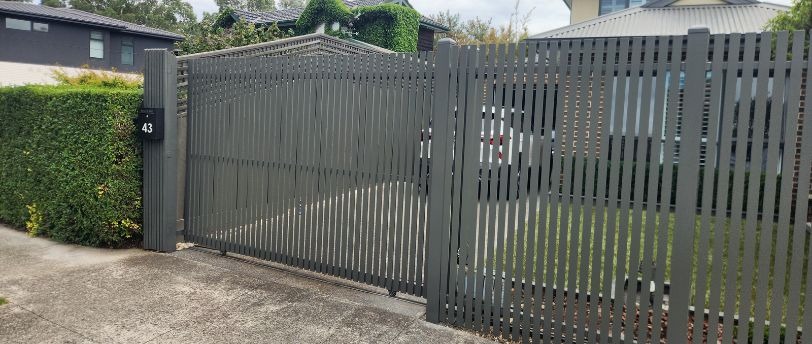
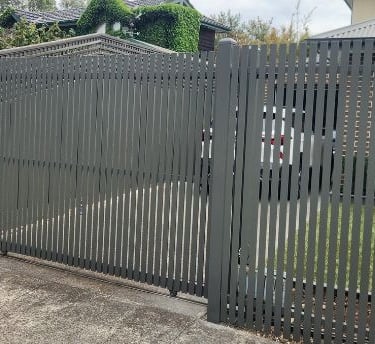
If you're planning a new gate for your home or business in Melbourne, one of the first things you'll need to work out is what material to use. Aluminium and steel are the two most common choices for fabricated gates. Both are widely used, both look good when done properly, and both hold up well over time.
This guide goes through the differences between the two materials. It's practical rather than technical, so you can read through it and figure out which one actually makes sense for your property.
What Are Fabricated Gates?
Fabricated gates are custom-built using sheet metal, tubing, or steel sections that are cut, welded, and shaped to a specific design. You're not choosing from a catalogue. The gate is made to your measurements, your style, and the conditions of your site.
At iGate Automation, custom gate fabrication covers both aluminium and steel. Gates are made for residential driveways, commercial entries, and industrial facilities. Different finishes, profiles, and panel layouts are all part of the process, so the design isn't fixed to one particular look.
The Key Differences at a Glance
Aluminium Gates: What You Need to Know
Why Aluminium Is So Common for Residential Gates
Aluminium is the most popular choice for residential gate fabrication in Melbourne. It's lightweight, it doesn't rust, and it powder coats well. The finish is consistent and doesn't need much attention after installation.
The lighter weight matters more than people think, especially if you're automating the gate. A lighter gate puts less load on the motor and the running gear, which usually means fewer issues and lower servicing costs. If you're looking at a sliding gate installation on a residential driveway, aluminium tends to work out better in practice.
Aluminium Gate Advantages
Does not rust, even in high-moisture or coastal environments
Lighter weight reduces strain on gate motors and wheels
Wide range of powder coat colours and finishes available
Well-suited to slat, blade, and flat panel designs
Low maintenance once installed
Good strength-to-weight ratio for most residential and light commercial use
Design Options in Aluminium
Aluminium works well with modern gate designs. Vertical slats, horizontal blades, and flat panel layouts are all common options. You can go fully solid for privacy, or open slatted if you want airflow and visibility. The material cuts cleanly and holds shape well, which suits the kind of precise lines you see on newer Melbourne homes.
iGate's aluminium gates come in a number of styles, from slat and blade designs to sheet-cladded panel options. Powder coat colours can be matched to your fencing or building facade without much trouble.
Steel Gates: What You Need to Know
When Steel Makes More Sense
Steel is heavier, stronger, and harder to bend or force than aluminium. For large gates, high-security sites, or industrial facilities, that extra weight works in your favour. A heavy steel sliding gate across a commercial yard provides more physical resistance than an aluminium gate of the same size.
Steel is also the standard choice when gates need to handle high volumes of vehicle traffic or meet specific security requirements. Industrial sites and warehouses use steel gates because they take a lot of daily wear without showing it. If your property is a commercial or industrial site, steel is worth looking at seriously.
Steel Gate Advantages
Very high impact resistance
Suitable for large spans and heavy-duty applications
Can be galvanised and powder coated for long-term rust protection
Often preferred for industrial and high-security sites
Strong enough for spear-top and ornamental styles
Can be paired with automation, though heavier motors are needed
Maintenance Considerations for Steel
The main thing to watch with steel gates is the surface coating. If it gets chipped or worn through, bare steel will start to rust. Galvanising the steel before powder coating adds a solid layer of rust protection underneath. A steel gate treated this way can run for decades without major issues, as long as small repairs are done when needed.
That said, in coastal areas or places that stay wet for long stretches, aluminium tends to last better. Aluminium has a natural oxide layer that stops it corroding the same way steel does, even when the surface gets marked.
Cost Comparison: Aluminium vs Steel
Pricing depends on the size of the gate, the design complexity, and the site. There are some material-level differences worth knowing before you get quotes.
Aluminium costs more per kilogram as a raw material, but because it's lighter, less of it is needed for the same gate size. Steel is cheaper per kilogram but heavier, so a large gate uses more of it. Heavier steel gates can also need stronger posts, bigger motors, and heavier hinges or track hardware, which adds to the installation cost.
A general cost comparison looks something like this:
For most residential gates, the cost difference between aluminium and steel is smaller than people expect. Size, automation, and site conditions tend to have more impact on the final price than the material itself.
Which Material Works Better With Gate Automation?
Both aluminium and steel gates can be automated. The material affects which motors and hardware you need, and how the system performs day to day.
Aluminium gates are lighter, which makes them easier to automate and gentler on the motor over time. Swing and sliding gate motors both work well with lighter gates, and you tend to get fewer mechanical issues in the long run. If you're planning a full gate automation setup in Melbourne, aluminium is the simpler option for most residential properties.
Steel gates can be automated too, but larger or heavier steel gates need motors with higher torque ratings. That narrows the range of compatible systems and can push the cost up. For a standard residential swing or slide gate in steel, most commercial motors will cope fine.
Which Gate Is Right for Your Property?
The best material for your gate depends on the type of property and how the gate will be used. Here's how it generally breaks down.
Residential Properties
Aluminium is the most common choice for homes. It suits driveways and garden entries well, sits nicely with automation, and needs very little upkeep. Unless you specifically want a heavier ornamental look, it covers most residential needs without issue.
Commercial Properties
Both materials are used in commercial settings. Aluminium works fine for office entrances, car parks, and light commercial sites. Steel is the better call when the gate needs to span a wide opening, take regular heavy vehicle traffic, or hold up under constant daily use.
Industrial Sites
Steel is the standard choice here. Industrial gates deal with more physical stress, higher usage, and tougher conditions. A galvanised, powder-coated steel gate built to spec will handle that kind of environment far better than aluminium.
Coastal and High-Moisture Areas
Aluminium holds up better in these conditions. It resists corrosion without needing the same level of surface treatment that steel does. In areas near the ocean or with consistently high humidity, it's the lower-maintenance option and the more sensible long-term choice.
A Quick Summary: Aluminium vs Steel
Choose aluminium if you want a corrosion-resistant, low-maintenance gate for a residential or light commercial property, particularly if you're automating it.
Choose steel if you need a heavy-duty gate for a large opening, an industrial site, or a property where the gate takes a lot of daily punishment.
Both materials can be custom fabricated, powder coated, and automated.
Gate design, site conditions, and automation requirements all affect which one is the right fit.
Making the Right Choice for Your Melbourne Property
Picking the wrong material is a costly mistake to fix after the fact. A gate that's too heavy for its motor, or one that starts rusting because it wasn't suited to the site, ends up costing more in repairs and replacements than the initial saving was worth.
iGate Automation installs both aluminium and steel gates across Melbourne. If you're not sure which direction to go, the team can look at your site and give you a straight answer based on what will actually work there, not just what looks good on paper.
Speak to the iGate Automation team about your next gate project. Call 1300 251 900 or get in touch at igateautomation.com.au to book a no-obligation site visit.
Frequently Asked Questions
1. Is aluminium or steel better for a residential gate in Melbourne?
For most Melbourne homes, aluminium is the more practical choice. It's lighter, naturally rust-resistant, and works well with automated systems. Steel is a good option if you want a heavier, more industrial look or if you need a very wide gate span.
2. Do steel gates rust in Melbourne's climate?
Untreated steel will rust over time, particularly in areas with high rainfall or humidity. Galvanising the steel before powder coating significantly reduces this risk. A well-treated steel gate can last for many years without rust issues, but it does require periodic inspection.
3. Can both aluminium and steel gates be automated?
Yes. Both materials work with gate automation systems. Aluminium gates are lighter, so they generally pair well with standard residential motors. Steel gates, especially large or heavy ones, may need heavier-duty motors. iGate Automation can advise on the right setup for your gate.
4. Which material is cheaper for gate fabrication?
The overall cost depends on gate size, design, and installation requirements rather than material alone. Aluminium costs more per kilogram but weighs less. Steel costs less per kilogram but is heavier, which can add to motor and installation costs. A custom quote from your fabricator is the most reliable way to compare.
5. How long do aluminium and steel gates last?
Both can last for many decades when properly installed and maintained. Aluminium requires less ongoing maintenance because it doesn't rust. Steel lasts very well when it's been galvanised and powder coated, but surface damage should be repaired promptly to prevent rust from developing.
Address : 22 Barkly St, Brunswick East VIC 3057, Australia
Connect With Us On Social Media
I Gate Automation
ABN 25 634 531 231
Our Privacy Policy
Our Terms & Conditions
Contacts
1300 251 900
info@igateautomation.com.au