Melbourne’s Trusted Experts in Automated Gates & Fencing – Residential, Commercial & Industrial Solutions.

Why Preventative Maintenance Is Essential for Automatic Gate Systems
Learn why preventative maintenance keeps automatic gate systems safe, reliable, and cost-effective while helping prevent expensive repairs and downtime.
7/14/20265 min read
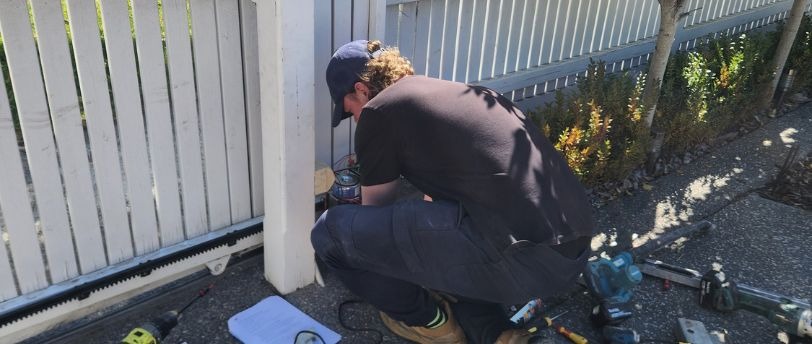
An automatic gate is one of those things people only think about when it stops working. It sits at the front of the property, opening and closing quietly, and most owners never give it a second look until the motor grinds, the remote stops responding, or the gate just refuses to budge. By then, what could have been a small fix has usually turned into a bigger job.
Preventative maintenance is really just about catching small problems before they become expensive ones. A gate has moving parts, electrical components, and hardware that all wear down over time, especially with Melbourne's mix of heat, rain, and humidity. Regular checks keep everything running the way it should and stop small issues from turning into a stuck gate at the worst possible moment.
What Happens When Gates Are Left Without Maintenance
Gates that never get serviced tend to fail in predictable ways. Here's what usually goes wrong first:
Dust, dirt, and worn gears force the motor to push harder than it needs to, and that extra strain shortens its life.
A sliding gate that isn't cleaned or lubricated regularly starts dragging, or worse, jumps the track.
Swing gates rely on hinges that hold their position. Rust or a loose bolt is often enough to throw that alignment off.
Photocells and safety beams collect dust and cobwebs over time, which can make the gate stop mid-swing or miss a car altogether.
Solar powered gates depend on healthy batteries, and a weak battery often gets blamed on the motor when it's really the problem.
Weather and general wear affect remotes and keypads too, so a gate that "sometimes" responds is usually telling you something.
None of these problems show up overnight. They build up slowly, so they're easy to miss until the gate stops working altogether.
What Preventative Maintenance Actually Involves
A proper maintenance visit isn't complicated, but it does need to be thorough. It usually starts with a visual inspection of the whole system, from the motor housing to the hinges, tracks, and safety sensors. A technician checks for rust, loose fittings, worn cables, and anything that looks out of place before it becomes a bigger issue.
From there, it moves into the practical side of things. Tracks get cleaned and lubricated, bolts get tightened, and the motor gets tested under load to make sure it's not straining. Safety features like photocells and force settings are also checked, since these are what stop a gate from closing on a car or a person. It's a fairly quick process, but it covers everything that tends to cause trouble down the line.
Basic Maintenance Checklist for Homeowners
You don't need to be an expert to keep an eye on your gate between professional services. A few simple habits go a long way:
Wipe down photocell sensors so dust and cobwebs don't block them.
Listen for any new grinding, squeaking, or clicking sounds during operation.
Check that the gate opens and closes at the same speed it always has.
Look at hinges and tracks for visible rust or loose hardware.
Test the remote and keypad from a few different spots on the property.
Clear leaves, dirt, or debris from the base of sliding gate tracks.
If any of these checks turn up something unusual, it's worth getting a technician to look at the gate automation system before it gets worse.
How Often Should a Gate Be Serviced
Most gates benefit from a service every six to twelve months, though this depends on how often the gate is used and what kind of weather it deals with. A busy commercial property with a commercial automatic gate opening dozens of times a day needs more frequent checks than a quiet residential driveway gate. Coastal areas or properties with a lot of salt air also tend to need more regular attention because of how quickly metal components corrode.
Sticking to a schedule like this helps spread the cost of upkeep over time, rather than facing one large repair bill after years of no attention. This matters even more for industrial electric gates, where the gate is often part of the site's daily security and a breakdown can hold up deliveries or staff access.
Signs Your Gate Needs Attention Now
Some warning signs shouldn't wait for the next scheduled service. If you notice any of the following, it's worth booking a check sooner rather than later:
The gate is moving slower than it used to, or stopping partway.
There's visible rust on the hinges, tracks, or gate frame.
The remote works sometimes but not always.
The motor makes a new noise it didn't make before.
The gate reverses unexpectedly without anything blocking it.
There's a gap or misalignment between the gate and the fence line.
Ignoring these signs usually means the problem gets worse. What could have been a quick adjustment can turn into a full electric gate repairs callout, with parts on order and the gate stuck in the meantime.
DIY Checks vs Professional Servicing
There's a fair bit homeowners can do themselves, like cleaning sensors and keeping tracks free of debris, and doing this regularly genuinely helps. But some parts of a gate system need training and the right tools, especially anything involving the motor, wiring, or safety force settings. Get one of these wrong and the gate can become a safety hazard for anyone walking or driving through it.
This is where a professional service earns its keep. A technician knows what a healthy motor sounds like, how much resistance a gate should have before it's a problem, and which parts wear out first on a sliding gate versus a swing gate. The same goes for pedestrian and side gates, where locks and closers wear out in their own way and need a slightly different eye. They can also spot early signs of failure that aren't obvious to someone who doesn't look at gates every day. That's the real value of a scheduled check.
Cost Comparison: Maintenance vs Repair vs Replacement
Looking at the numbers side by side makes the case for regular servicing pretty clear.
A maintenance visit is a small, predictable cost. Waiting until something fails usually means paying for parts, labour, and the inconvenience of a gate that's stuck open or shut in the meantime.
Keeping Your Gate Reliable for the Long Run
A loose bolt, a dirty sensor, a motor working a bit harder than it should. On their own, these things seem minor, and that's exactly why they get missed. But catching them early is really all preventative maintenance is. A gate that's checked regularly tends to last longer and cause far fewer headaches than one that's left to run until something breaks.
If it's been a while since your gate was last checked, or if you've noticed any of the warning signs above, get in touch with the I Gate Automation team for a service. A quick inspection now can save a lot of hassle later.
Frequently Asked Questions
1. How often should an automatic gate be serviced?
Most residential automatic gates should be serviced every 6 to 12 months. Gates that are used frequently, installed at commercial properties, or exposed to coastal conditions may require more frequent maintenance.
2. What are the signs that my automatic gate needs maintenance?
Common warning signs include slow operation, unusual noises, inconsistent remote performance, visible rust, misaligned gates, or the gate stopping or reversing unexpectedly.
3. Can I maintain my automatic gate myself?
You can perform basic tasks such as cleaning safety sensors, removing debris from tracks, and checking for visible wear. However, motor servicing, electrical repairs, and safety setting adjustments should always be handled by a qualified technician.
4. Why is preventative maintenance important for automatic gate systems?
Regular maintenance helps identify minor issues before they become major repairs. It also improves reliability, extends the lifespan of the gate system, and helps ensure safety features continue to operate correctly.
5. Is preventative maintenance cheaper than repairing or replacing a gate?
Yes. Routine maintenance is generally far less expensive than replacing a motor, repairing damaged tracks, or installing a new gate system after a major failure. It also reduces the risk of unexpected downtime.
Address : 22 Barkly St, Brunswick East VIC 3057, Australia
Connect With Us On Social Media
I Gate Automation
ABN 25 634 531 231
Our Privacy Policy
Our Terms & Conditions
Contacts
1300 251 900
info@igateautomation.com.au