Melbourne’s Trusted Experts in Automated Gates & Fencing – Residential, Commercial & Industrial Solutions.

How Long Do Electric Gates Last | Factors Affecting Lifespan
Learn how long electric gates typically last and the key factors that affect their lifespan, including materials, maintenance, usage, weather conditions, and installation quality.
6/1/20266 min read
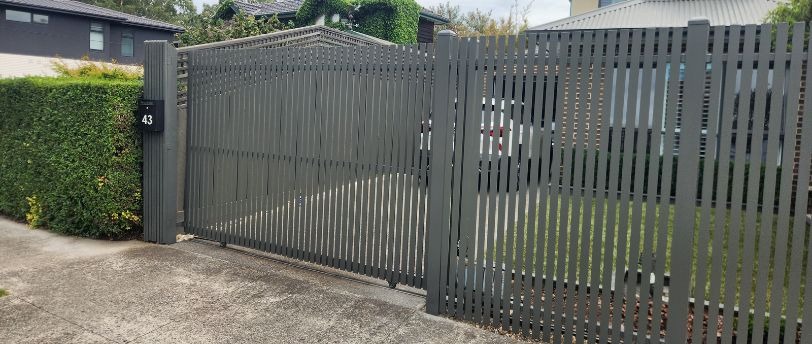
Electric gates take a fair bit of daily use. They open and close in all weather, deal with heavy vehicles, and sit outside year-round. So it's a reasonable question to ask before you install one, or even after: how long is this thing actually going to last?
There's no single answer. A gate that's built well, installed properly, and looked after can easily go 15 to 20 years without major drama. One that's been poorly fitted, neglected, or undersized for its job might start causing headaches in under five. What sits in between those two outcomes usually comes down to a handful of factors you can actually control.
What Is the Average Lifespan of an Electric Gate?
Most electric gate systems last somewhere between 10 and 20 years when they're installed right and given basic upkeep. The gate frame and structure tend to outlast the motor and automation parts by a good stretch, particularly when it's built from quality steel or aluminium.
The motor and control board are usually what go first. They work on every single open and close cycle, so wear builds up over time. A standard residential motor is typically rated for around 100,000 cycles. At 10 uses a day, that works out to roughly 27 years. At 50 uses a day, like at a shared apartment complex, those cycles run out in about five years. Usage load matters a lot when it comes to motor life.
Key Factors That Affect How Long Your Gate Lasts
1. Material Quality
What your gate is made from will determine how it holds up over time. Aluminium and powder-coated steel resist rust, warping, and general wear far better than cheaper materials.
iGate Automation fabricates gates from aluminium and steel with proper powder coating as standard. In Melbourne, where temperatures shift across the seasons and rain isn't uncommon, a gate that resists corrosion from day one will outlast one that doesn't by years. Cuts or chips in the coating are worth touching up early before rust takes hold underneath.
Here's how common gate materials compare over time:
2. How Often the Gate Is Used
The more a gate opens and closes, the faster its moving parts wear out. A home driveway gate used five to ten times a day sits under much less strain than a commercial gate cycling through hundreds of vehicles.
If you have an industrial electric gate or one that serves multiple households or tenants, it's worth choosing a motor with a higher cycle rating from the outset. A motor rated at 250,000 cycles costs more upfront but will handle the load without burning out in a few years. Matching the motor to the expected usage from day one saves money down the track.
3. Quality of Installation
This probably has more effect on gate lifespan than most people expect. A gate installed even slightly off-balance puts extra load on the motor every time it moves. That extra strain shortens the motor's life.
Poorly installed gates can also cause rollers to drag, hinges to bind, and tracks to sit out of alignment. All of that adds unnecessary resistance that the motor has to push against. Getting the foundation, posts, and track set correctly at the start avoids most of these problems.
For automatic sliding gates, the ground surface and track need to be stable. Tree roots, reactive soil, or poorly prepared ground can shift the track over time and change how the gate sits on the motor.
4. Regular Maintenance
This is the single biggest thing that separates a gate that lasts 20 years from one that struggles past ten. It doesn't take much, but it does need to happen on a regular schedule.
Basic maintenance tasks to stay on top of:
Lubricate hinges, rollers, and moving parts every few months
Check and tighten any loose bolts or fixings, especially after storms
Clear debris from the gate track on sliding gates
Inspect the motor housing and control board for moisture or rust
Test safety sensors and the auto-reverse function
Check the battery backup if your system has one
Letting these slip for a year or two might not seem like a big deal at the time. But dried-out lubricants, accumulated grime, and small faults that go unnoticed add up. If something doesn't seem right, the team at iGate Automation handles electric gate repairs across Melbourne and can usually spot problems before they become bigger ones.
5. Weather and Environmental Conditions
A gate lives outside full time. UV exposure, rain, temperature swings, and wind all wear on the materials and the motor over time. In coastal areas, salt in the air speeds up corrosion on metal surfaces and internal components. In dusty environments, particles work their way into bearings and motors.
Melbourne doesn't have extreme weather, but it does bring hot dry summers, cold and wet winters, and decent UV exposure through spring and summer. Gates with sealed motor housings and proper powder coating hold up through all of this far better than cheaper alternatives that aren't built with weather exposure in mind.
For swing gates, the hinges and pivot points are the most exposed parts. For sliding gates, the bottom roller and track collect the most debris and moisture. Knowing which parts of your gate take the most weather helps you focus your maintenance where it counts.
6. Gate Weight and Size
A heavier gate needs more from its motor. If the motor is undersized for the gate it's running, it will overheat, work under constant stress, and wear out much faster than it should.
When a gate system is designed properly, the motor gets matched to the gate's weight, width, and how often it will be used. A single panel swing gate has very different requirements to a double swing gate or a wide sliding gate. Getting this wrong is a common problem when people fit a new motor to an existing gate without checking whether it's rated for the jo
7. Electrical and Control System Health
The motor isn't the only component that wears out. The control board, safety sensors, wiring, and remote receivers all have a lifespan of their own. Moisture getting into a poorly sealed control board enclosure is one of the more common causes of electrical failure.
Battery backups in gate systems generally need replacing every three to six years. Lead-acid batteries typically last three to four years. Lithium-ion units usually go four to six. If a gate is opening slowly, behaving erratically, or not responding consistently, checking the battery is often the quickest first step.
How to Get More Life Out of Your Electric Gate
A few consistent habits make a noticeable difference to how long a gate lasts:
Book a proper service once a year, or twice if the gate gets heavy use
Don't put off small problems like slow opening, grinding noises, or sensors that aren't triggering right. They usually get worse
Keep the gate track and frame clear of leaves and debris, especially after storms
Touch up any chips or scratches in the powder coat before rust gets underneath
Choose the right gate for the job from the start, whether that's a remote control gate for a residential driveway or a heavier-duty setup for a commercial property
When Does an Electric Gate Need Replacing?
Most of the time, gates don't need to be replaced outright. The motor might give out well before the frame does. Fitting a new motor or control board to a sound existing gate frame is often the more practical option.
Full replacement tends to make sense when:
The gate frame is warped, cracked, or rusted through
Repairs are coming around more often and costing more each time
The system no longer meets safety requirements
You're moving to a new setup with intercoms, access control, or app-based management
The Bottom Line: Your Gate Will Last as Long as You Let It
How long an electric gate lasts comes down to the decisions made when it's built and how it's looked after from there. A gate that's properly sized, correctly installed, and serviced each year will hold up well past the decade mark. One that gets ignored tends to show the signs a lot sooner.
Get Your Gate Sorted With iGate Automation
Whether you need a service, a repair, or you're looking at installing a new automated gate at your Melbourne property, iGate Automation can help. We design, fabricate, and install aluminium and steel gates for homes, businesses, and commercial sites across Melbourne. Call us on 1300 251 900 or get in touch through our website.
Frequently Asked Questions
1. How long does an electric gate usually last?
A well-built and properly maintained electric gate can last between 10 and 20 years. The gate structure often lasts longer than the motor and control components, which may need replacement after years of regular use.
2. What parts of an electric gate wear out first?
The motor, control board, sensors, and battery backup are usually the first components to show signs of wear. These parts handle daily operation and may require repair or replacement before the gate frame itself.
3. Does regular maintenance really extend gate lifespan?
Yes. Routine maintenance such as lubrication, cleaning tracks, checking fixings, and testing safety features helps reduce wear on moving parts and can significantly extend the life of both the gate and automation system.
4. Can weather affect the lifespan of an electric gate?
Weather plays a major role in gate longevity. Rain, UV exposure, dust, and coastal salt can accelerate wear and corrosion. Choosing weather-resistant materials and performing regular inspections helps protect the system.
5. Should I repair or replace an ageing electric gate?
If the gate frame remains structurally sound, replacing the motor or control system is often more cost-effective than a full replacement. A complete replacement is usually only necessary when the frame is damaged or heavily corroded.
Address : 22 Barkly St, Brunswick East VIC 3057, Australia
Connect With Us On Social Media
I Gate Automation
ABN 25 634 531 231
Our Privacy Policy
Our Terms & Conditions
Contacts
1300 251 900
info@igateautomation.com.au