Melbourne’s Trusted Experts in Automated Gates & Fencing – Residential, Commercial & Industrial Solutions.

How Often Should Gate Automation Systems Be Serviced for Long-Term Reliability?
Learn how often automatic gate systems should be serviced, what affects maintenance frequency, common warning signs, and why regular servicing helps prevent costly repairs and breakdowns.
5/26/20266 min read
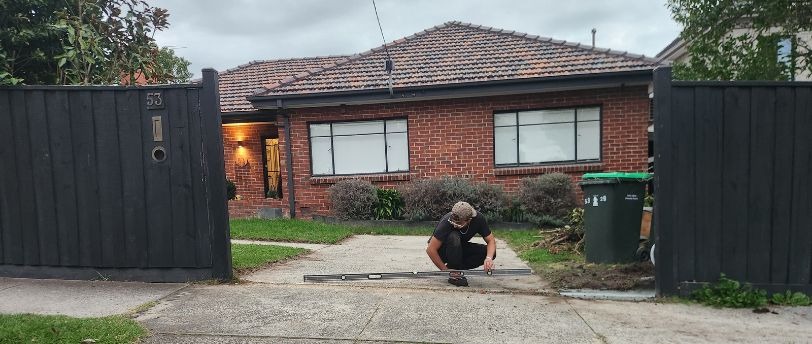
Your automatic gate works hard every single day. It opens and closes multiple times, deals with Melbourne's unpredictable weather, and sits exposed to dust, heat, and moisture year-round. Most people set up their gate and forget about it until something goes wrong. That approach usually ends up costing a lot more than a simple service would have.
Understanding how often to service your gate automation system is one of the most useful things you can know as a property owner. It is not a complicated topic, but there are a few factors that change the answer depending on your property type and how much your gate gets used.
The General Rule: Once a Year for Most Homes
For most residential properties in Melbourne, an annual service is the standard recommendation. If your gate opens and closes a handful of times per day for household use, once a year is usually enough to keep it running well. This applies to most sliding gates and swing gates in a typical home setup.
An annual service gives a technician the chance to check all the moving parts, test the motor, lubricate what needs lubrication, and catch anything that looks like it is starting to wear out. Small problems found at a service are quick to fix. The same problems ignored for two or three years often turn into full component failures that are expensive and disruptive to sort out.
Commercial Properties Need More Frequent Attention
Commercial and industrial gates are a different situation. A gate at a business, warehouse, or apartment complex can open and close dozens or even hundreds of times a day. That level of use puts serious wear on every part of the system, from the motor and gearbox to the rollers, hinges, and control board.
For medium-use commercial properties, servicing every six months is a reasonable baseline. For high-traffic sites where the gate is running constantly, some gate specialists recommend quarterly servicing to keep the system safe and compliant. If you are managing a commercial or industrial gate, the right service schedule is worth talking through with a professional who can assess your actual usage patterns.
Factors That Affect How Often You Should Service
Usage frequency is the main driver, but it is not the only one. Several other things can change how often your system needs attention.
Usage volume: A gate that opens twice a day needs less frequent servicing than one that opens 50 times a day. This is the most important variable.
Gate type: Sliding gates have tracks, rollers, and a drive rack that collect debris and wear over time. Swing gates rely heavily on hinge condition and motor torque. Each type has its own maintenance needs.
Environmental exposure: Properties near the coast deal with salt air, which accelerates corrosion on metal parts and electrical components. Dusty or windy areas see debris build-up in tracks and motor housings much faster.
Age of the system: Older systems generally need more regular attention. Parts wear, seals degrade, and software can become outdated on smart systems.
Motor brand and model: Some motors are built for higher duty cycles than others. A motor specified for light residential use running on a busy commercial site will need more frequent checks.
Pest activity: Insects, spiders, and even slugs commonly get inside motor housings and control boards. This is more common than most people expect and can cause serious electrical damage if left unchecked.
What Happens During a Professional Service?
A proper gate automation service covers more than just a quick look. A qualified technician will go through the full system and address anything that needs adjustment, lubrication, or replacement.
Here is what a thorough service typically includes:
Cleaning and lubricating all moving components including rollers, hinges, chains, and drive racks
Inspecting and tightening bolts, brackets, and fixings
Checking the motor for signs of wear, overheating, or unusual noise
Testing safety features including obstacle detection and auto-reverse
Inspecting safety beams and sensors for alignment and function
Checking the battery backup if the system has one
Opening the control board housing to check for pest activity, moisture, or corrosion
Testing the manual release mechanism
Reviewing remote controls, keypads, or smartphone connectivity for reliable operation
Checking for rust, water ingress, and early signs of corrosion on the gate and hardware
The value of catching these things early is significant. A worn roller costs far less to replace at a routine service than after it has caused the gate to jam or derail.
Warning Signs You Should Not Ignore Between Services
Even with a solid service schedule in place, it is worth paying attention to how your gate behaves day to day. Some issues appear quickly and should not be left until the next scheduled visit.
Unusual noise : Grinding, scraping, or loud clicking during operation usually points to worn rollers, loose hardware, or a lubrication issue
Slow or inconsistent operation : If the gate hesitates, slows down mid-travel, or does not open every time, the motor or control board may be struggling
The gate reversing unexpectedly : This often indicates dirty or misaligned sensors, or the obstacle detection sensitivity needs adjusting
The gate not closing fully : A gate that sits slightly open is a security issue and may mean the travel limits need recalibrating
Remote or keypad failures : Intermittent response from your remote control system can point to antenna issues, battery problems, or interference
Visible rust or corrosion : Surface rust on the gate itself can be cosmetic, but rust around hinges, fixings, or the motor housing is a more urgent concern
If you notice any of these between services, it is better to have someone look at it sooner rather than wait.
The Cost of Skipping Services
It is tempting to skip a service when the gate seems to be working fine. The problem is that most gate failures do not announce themselves until they have already progressed quite far. A motor that is straining does not suddenly stop working. It works harder, runs hotter, and wears out components until something eventually fails at an inconvenient time.
Emergency call-outs cost more than planned services. Replacing a full motor or control board costs significantly more than the lubrication and adjustment that might have prevented the failure. For commercial properties, an unexpected gate failure can also affect security, access, and liability, none of which are small concerns.
Regular servicing also keeps your warranty valid in many cases. Most gate automation products require evidence of professional maintenance to honour warranty claims.
Quick Service Schedule Summary
These are general guidelines. Your actual needs depend on the specifics of your property and system.
Keep Your Gate in Good Shape Year-Round
Waiting for a problem to appear before booking a service is how most gate breakdowns happen. A consistent service schedule is a much simpler and cheaper approach, and it means your gate stays reliable when you actually need it.
If you are in Melbourne and unsure where your system sits or when it was last serviced, get in touch with the iGate Automation team. We work with residential, commercial, and industrial properties across Greater Melbourne and can assess your system and recommend a schedule that makes sense for how your gate is actually used.
Frequently Asked Questions
How often should a residential automatic gate be serviced?
For most homes, once a year is sufficient. If your gate is used heavily throughout the day, or if your property is in a coastal or dusty area, servicing every six months is a more sensible approach. Annual servicing keeps the motor, safety features, and hardware in good working order and helps you avoid unexpected failures.
What does a gate automation service include?
A full service covers lubrication of moving parts, inspection of the motor and control board, safety sensor testing, hardware checks, pest inspection inside the motor housing, and testing of the manual override. The technician will also check your remote controls and access systems to make sure everything is responding correctly.
Can I service my automatic gate myself?
Some basic maintenance tasks like clearing debris from tracks and wiping down sensors can be done by the owner. However, checking the motor, control board, safety systems, and electrical components should be done by a qualified technician. DIY work on automatic gate systems can void warranties and create safety risks if the system is not correctly calibrated after adjustments.
Why does my commercial gate need more frequent servicing than a residential one?
Commercial gates operate far more frequently than residential ones. A gate that opens and closes 50 to 100 times a day accumulates wear much faster. More frequent servicing means worn parts are caught early, safety systems are checked regularly, and the gate stays compliant with any applicable standards.
What happens if I skip gate automation servicing for several years?
Skipping services allows small issues to compound over time. Lubrication dries out, rollers wear unevenly, debris builds up in tracks and housings, and pests can get inside control boards. These problems often lead to expensive component failures or full system replacements. A gate that would have been fine with a simple annual service can end up needing a new motor, control board, or structural repairs after years of neglect.
Address : 22 Barkly St, Brunswick East VIC 3057, Australia
Connect With Us On Social Media
I Gate Automation
ABN 25 634 531 231
Our Privacy Policy
Our Terms & Conditions
Contacts
1300 251 900
info@igateautomation.com.au