Melbourne’s Trusted Experts in Automated Gates & Fencing – Residential, Commercial & Industrial Solutions.

How to Manually Open Your Electric Gate Opener When It Stops Working
Learn how to open an electric gate manually during a power outage or motor failure, with essential precautions for safe operation.
6/12/20268 min read

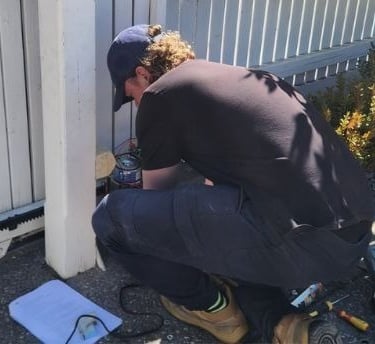
Electric gates are convenient until they are not. A power cut, a dead motor, or a flat backup battery can leave you locked out at the worst possible time. Every electric gate system has a manual override built in, though. You do not need to call anyone or force anything. You just need to know where to look and what to do.
This guide walks you through the process step by step. It covers sliding gates, swing gates, what to check beforehand, and what to do after you get the gate open.
Why Electric Gates Stop Working
Electric gates can stop working for a few different reasons. Some are simple fixes, others need a technician. The table below covers the most common ones.
Knowing why the gate stopped working affects what you do next. A power outage is temporary, so you just need to get through it and wait for power to come back. A motor fault or control board failure will need a proper repair before the gate works again. Working out which one you are dealing with saves time.
Common Causes of Gate Failure
What You Need Before You Start
You do not need many tools. Most manual overrides are designed to be used by hand. Having the right things nearby just makes the process easier.
The manual release key (usually supplied with the gate motor at installation)
A torch if it is dark or the motor housing is in a shaded spot
A block of wood, brick, or wedge to hold the gate open once released
A second person if the gate is large or heavy
If you do not have the release key, there are usually alternative ways to access the release without one. These are covered in the section below.
Step 1: Check the Basics First
Do not go straight to the manual override without checking a few things first. A simple fault is often the cause.
Check the power. Has there been a blackout? Check your switchboard. The gate's circuit breaker may have tripped.
Check the remote battery. A flat remote is one of the most common reasons a gate appears dead.
Check for obstructions. Some gates have safety sensors that stop movement if something is in the path. Clear the area and try again.
Listen for the motor. If you can hear the motor running but the gate is not moving, the issue is mechanical rather than electrical.
If none of these are the problem, move on to the manual release.
Step 2: Identify Your Gate Type
The manual release process is different for sliding gates and swing gates, so identify which one you have before you start.
Sliding gates move horizontally along a track. The motor and drive mechanism sit in a housing mounted near the track or attached to the gate itself. Swing gates open like a door, either inward or outward, and use an arm actuator or underground actuator to drive the movement.
If you are not sure which type you have, think about how the gate normally moves. If it rolls along a track, it is a sliding gate. If it swings open on hinges, it is a swing gate.
Step 3: Manually Opening a Sliding Gate
Locate the Motor Housing
The motor for an automatic sliding gate sits in a box-shaped housing, usually made from metal or heavy plastic. It is typically positioned at the end of the track, mounted near the ground. Some systems have the motor mounted overhead on a beam.
Find the Manual Release
Look for a cap, small door, or access panel on the motor housing. Behind it you will find the manual release mechanism. This is usually one of the following:
A lever or thumb turn that disengages the motor from the drive rack
A key-operated lock cylinder that releases the clutch
A pull cord (often red or orange) that trips the release manually
Disengage and Move the Gate
Once you have found the release point, use your key to unlock it or operate the lever. Most systems will click or give slightly when the motor disengages. The gate should then roll freely by hand.
Pull the gate open smoothly and avoid jerking it. Sliding gates can be heavier than they look, especially steel or larger aluminium panels. Wedge the gate open once you have it in position so it does not roll back.
Step 4: Manually Opening a Swing Gate
Locate the Actuator Arm
Swing gate systems use an arm mechanism that connects the motor to the gate leaf. The motor housing is usually mounted on the post or a bracket near the hinge. For underground systems, the release point is accessed through a cover plate in the ground near the gate post.
Find the Manual Release
Look for a cover on the actuator body. On arm-style actuators, there is often a release screw, lever, or lock cylinder on the side or back of the unit. On underground systems, there will be a manual release port accessed from the top of the housing once the cover plate is removed.
Use your manual release key to unlock the actuator. This disengages the motor from the arm, freeing the gate to swing open by hand.
Open the Gate by Hand
With the actuator disengaged, push or pull the gate open in the direction it normally swings. Double swing gates will need both leaves released separately. Hold the gate open and use a wedge or rope to keep it in place.
What If You Do Not Have the Release Key?
It is a common situation. The override key gets tucked away at installation and forgotten until it is needed. If you cannot find yours, here is what to look for instead.
Secondary Release Options
Most manufacturers build in a backup method. Check the motor housing for any of the following:
A pull cord, usually red or brightly coloured, often visible inside or behind a vent on the housing
A hex key slot or Allen key port that operates the release from outside the housing
A small external lever that is spring-loaded and accessible without a key
If the motor housing has a padlock securing the cover, that padlock key is separate from the manual release key. You may be able to access the release by removing the padlock even if the dedicated key is missing.
If there is no way to access the release without force, do not attempt to force the gate open. Gate motors and drive systems can be damaged easily, and the cost of electric gate repairs goes up significantly if components are bent or broken during a forced entry attempt. Call a technician to sort it out properly.
Step 5: Secure the Gate While It Is Open
An unsecured gate can roll or swing shut without warning. That is a risk to people, pets, and vehicles nearby, so do not skip this step.
Use a solid wedge, brick, or piece of timber to hold the gate in place. For sliding gates, position the wedge firmly against the end of the gate at ground level. For swing gates, use a prop behind the leaf at an angle that keeps it from closing.
If the gate will be left open for a while, tying or chaining it to a fence post is a good idea.
Step 6: Re-engaging the Gate Motor
Once power is back on or the fault has been fixed, you will need to reconnect the motor so the gate can operate automatically again.
The process is the reverse of what you did to release it. For most systems this means turning the release lever back to the locked position, removing the hex key, or reinserting and turning the release key until it clicks back into the engaged position.
After re-engaging, test the gate manually before turning the power back on. Try pushing the gate by hand. It should feel resistant and not move freely. If it still rolls or swings freely, the motor has not re-engaged properly.
Once it is locked back in, restore power and test the automatic operation using the remote or keypad.
When to Call for a Repair
Manual overrides get you in or out when the gate fails. They do not fix what caused the fault.
Some situations where you should book a proper service rather than continuing to operate the gate manually:
The gate keeps losing power or tripping the circuit breaker
The motor runs but the gate does not move even after re-engagement
The manual release mechanism feels stiff, damaged, or will not re-lock
The gate is physically off its track or a hinge appears bent
The control board shows error codes or the LED is flashing in an unusual pattern
The gate has been hit by a vehicle or suffered visible structural damage
The team at iGate Automation handles electric gate repairs across Melbourne, covering all major motor brands including BFT, FAAC, and NICE. Whether it is a motor replacement, a control board fault, or a damaged track, getting it looked at early is worth it.
Quick Reference: Manual Override by Gate Type
A Few Things Worth Knowing Before an Emergency Happens
Most people only think about the manual override when they actually need it. By that point it is often dark, raining, or late at night. A bit of preparation beforehand makes a real difference.
Find your release key now and put it somewhere you will actually remember. A hook near the front door, a labelled spot in the garage, or a key cabinet near the gate are all good options. Read the motor manual if you still have it, since release procedures differ slightly between brands and models. Some manufacturers also have short video guides available on their websites that show the exact process for your model.
It is also worth knowing that most gate automation systems have a battery backup. If yours does, check it once a year. Backup batteries typically last two to three years before needing replacement. The problem is you will not know the battery is flat until the power goes out and the gate stays closed.
When the Problem Keeps Coming Back
If you find yourself manually overriding your gate more than once in a short period, something needs looking at. Repeated failures usually point to an ageing motor, a failing control board, or a wiring fault that has been building up.
It is worth getting a technician out for a proper inspection before the system stops working altogether. Routine servicing on automatic driveway gates and electric sliding systems can pick up these issues early. A gate that gets regular maintenance tends to last a lot longer than one that only gets looked at after it breaks.
Got a Gate That Needs Attention? Talk to the iGate Team.
If your gate has stopped working and you are not sure what the issue is, or if the manual override itself is damaged or missing, the team at iGate Automation can help. We install, repair, and service all types of electric gate systems across Melbourne, covering residential, commercial, and industrial properties.
Call us on 1300 251 900 or visit igateautomation.com.au/contact to book a site visit or get a repair quote.
Frequently Asked Questions
1. How do I manually open an electric sliding gate when the power is out?
Locate the motor housing at the end of the gate track. Find the manual release, which is usually a lever, key-operated cylinder, or pull cord. Disengage the motor and slide the gate open by hand. Wedge it in place until power returns, then re-engage the release before restoring power.
2. What is a manual override key and where is it kept?
A manual override key is a small key supplied with the gate motor at installation. It is used to unlock the release mechanism on the motor housing. It is often stored in a key cabinet, near the gate, or in a utility drawer inside the property. If you cannot find it, check the original installation paperwork or contact the installer.
3. Can I open my swing gate manually without the key?
Many swing gate actuators have a secondary release method such as a pull cord, a hex key port, or an external lever. Check the motor housing carefully before assuming the key is the only option. If there is no way to access the release without forcing anything, call a gate technician rather than risking damage to the actuator arm or the gate itself.
4. How do I re-engage my gate motor after opening it manually?
Reverse the release process. For most systems, this means turning the release lever or key back to the locked position until you feel it click back in. After re-engaging, try pushing the gate manually. It should feel firmly held in place. If it still moves freely, the motor has not re-engaged properly. Restore power only once you have confirmed re-engagement.
5. How often should I test my gate's manual override?
It is a good idea to test the manual release once a year as part of a general gate check. This makes sure the mechanism is working and that you know where the key is before you actually need it. At the same time, check the backup battery if your system has one, since backup batteries typically need replacing every two to three years.
Address : 22 Barkly St, Brunswick East VIC 3057, Australia
Connect With Us On Social Media
I Gate Automation
ABN 25 634 531 231
Our Privacy Policy
Our Terms & Conditions
Contacts
1300 251 900
info@igateautomation.com.au