Melbourne’s Trusted Experts in Automated Gates & Fencing – Residential, Commercial & Industrial Solutions.
Top Features to Look for in a Modern Automatic Gate System
Discover the top features of a modern automatic gate system, including safety sensors, access control, battery backup, smart integration, and more.
6/23/20266 min read
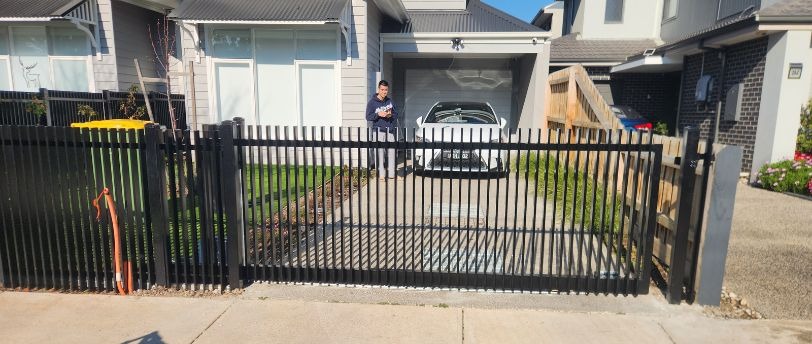
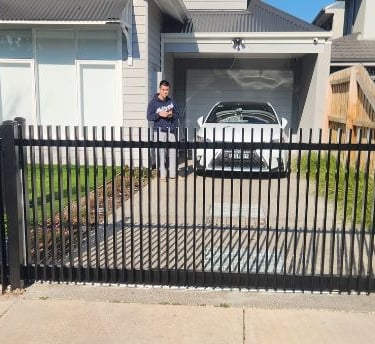
If you're thinking about getting an automatic gate, you've probably already noticed there are a lot of options out there. It can feel a bit much trying to work out what actually matters and what you can live without.
This guide goes through the main features worth looking at before you buy. Whether it's for your home or a business, knowing what to check makes the whole process a lot easier.
Why Getting the Features Right Matters
A gate is something you'll use every single day. Once it's in the ground and wired up, pulling it out and starting again is a big job. Getting the right features sorted from the beginning saves you real money and a lot of frustration over the years.
Modern automatic gate systems have improved a lot. The motors are more reliable, the safety features are better, and the access options have grown well beyond a simple remote. But there's still a big difference between a well-chosen system and one that doesn't quite fit what you need.
Key Features to Look For
1. Motor Type and Power Rating
The motor runs the whole show. If it's not right for the gate, you'll know about it pretty quickly.
There are different motor types depending on whether your gate slides or swings. Sliding gates usually use rack-and-pinion drives or chain motors. Swing gates use either linear (ram) actuators or underground actuators. Each one suits different gate weights, sizes, and how often the gate gets used.
Here's a basic comparison:
Think about how many times the gate opens and closes each day. A home driveway gate used 10 to 20 times a day is very different from a commercial automatic gate at a warehouse or industrial site.
2. Safety Sensors and Obstacle Detection
A gate that hits something and keeps going is a serious problem. Any decent system needs to detect obstacles and stop before something gets damaged or someone gets hurt.
Safety features to look for:
Photocell sensors on both sides of the opening to pick up objects in the path
Auto-reverse that kicks in the moment the gate meets resistance
Loop detectors in the driveway surface to sense vehicles waiting in the gate's path
Safety edges fitted to the leading edge of the gate itself
Australian standard AS 5900 covers gate automation safety. A proper installer will know this standard and build to it. It's worth asking about this when you're comparing quotes.
3. Access Control Options
How people get through the gate is one of the bigger decisions to make. There are quite a few ways to handle it, and most systems let you mix and match.
Common access control options:
Remote controls and key fobs - simple, reliable, works well for homes
PIN keypads - handy for tradies, visitors, or deliveries
RFID card or fob readers - used a lot in commercial properties
Video intercoms - see and speak to whoever is at the gate before opening
Smartphone app control - open and close remotely from your phone
For a home, a remote with an intercom tends to cover most situations. For industrial electric gates, RFID or keypad access with an activity log is usually more practical.
4. Smart Home and App Integration
A fair number of people want their gate to connect with the rest of their home setup. Some modern gate controllers make this possible with WiFi modules that tie into apps or home automation systems.
You can open the gate from your phone, get an alert when it opens, or set it to close automatically after a set time. Not every motor brand supports this out of the box, so check what the controller is compatible with before committing. Some need an add-on module and some don't support it at all.
5. Gate Type and Motor Compatibility
Not every motor works with every type of gate. The gate style, the space you have, and the slope of your driveway all feed into which system will actually work at your property.
Sliding gates are a good fit when there's limited space in front of the gate, the driveway slopes, or the gate gets a lot of use. Swing gates (single and double) are popular in residential settings where there's room for them to open and the driveway is fairly flat.
6. Battery Backup and Power Options
If the power goes out and there's no backup, the gate isn't going anywhere. That can mean being stuck in or out until the power comes back on.
Battery backup lets the gate keep working through an outage. A decent backup unit should handle at least 50 to 100 open and close cycles. For properties further from the grid, or where running mains power to the gate is difficult, solar power is another option worth looking at. Some systems run fully on solar, others use it alongside mains power.
7. Build Quality and Weather Resistance
Melbourne summers are hot, the winters are wet, and coastal areas get salt air on top of that. Gate hardware that isn't built for outdoor use won't last.
Look for a motor with a solid IP rating. IP44 is the minimum for outdoor use. IP55 or above is better for areas that get a lot of rain or salt exposure. The gate material matters just as much. Aluminium and steel are the two main choices. Both hold up well when powder coated, which is the standard finish used at iGate Automation across their range of residential and commercial gates.
8. Gate Speed and Duty Cycle
How fast the gate opens matters in practice. A gate that takes half a minute to fully open gets annoying fast. But a gate moving too quickly is also a safety concern.
The duty cycle is worth understanding. It tells you how hard the motor can work before it needs a rest. A 50% duty cycle means the motor needs a break equal to how long it's been running. For a home gate used a handful of times each hour, that's usually fine. For a busy entry point, you want a motor with a higher duty cycle, ideally 100%, so it can run continuously without overheating.
9. Diagnostics and Servicing
Some gate controllers keep a log of how many cycles the gate has done and flag when something isn't working as it should. That kind of visibility makes it easier to spot problems early and avoid bigger repairs down the track.
This is more common in commercial systems but is showing up in residential products too. When you're comparing controllers, ask whether the system tracks usage data and whether the installer can check it remotely if something goes wrong.
10. Installation and Compliance
A good motor put in poorly will cause problems. The features on paper only matter if the system is installed correctly and safely.
In Australia, gate automation work needs to meet AS 5900 and relevant electrical standards. This covers the physical setup, the electrical connections, and the safety devices. Always use a licensed installer who knows these requirements. This applies whether you're getting a new gate put in or looking at electric gate repairs on an existing system.
Residential vs Commercial: What's Different
What You Should Focus On First
Picking a gate system is not about getting the longest list of features. It's about matching what the gate does with what you actually need it to do.
Start with the motor, the safety sensors, and how access will be managed. Those three things affect how the gate works every day. Once those are sorted, you can look at the extras like smart integration or solar backup based on your budget and your property.
The team at iGate Automation handles residential, commercial, and industrial gate projects across Melbourne, based out of Brunswick East. If you want to talk through what would work at your place, get in touch and we can help you figure it out.
Frequently Asked Questions
1. What is the most important feature in an automatic gate system?
The motor and the safety sensors matter most. A gate that breaks down often or fails to stop for an obstacle creates real problems. After those two, access control and how the gate is built are the next things to look at.
2. Do I need battery backup for my automatic gate?
It's a good idea. Without it, a power outage means the gate is stuck. Most modern systems support battery backup and the extra cost is usually worth it, especially in areas that get storms. Some setups can also run on solar if mains power is not easy to connect at the gate location.
3. What is AS 5900 and does it apply to my gate?
AS 5900 is the Australian standard that covers the installation and upkeep of powered gate systems. It applies to residential and commercial gate automation around the country. A licensed installer will follow this standard as part of a compliant installation.
4. Can smart home control be added to an existing gate motor?
Sometimes, yes. Some motors support WiFi or Bluetooth add-on modules that connect to phone apps or home automation setups. But not every older motor is compatible. Talk to your installer about whether your current setup can be upgraded or if a new controller is needed.
5. How do I pick between a sliding gate and a swing gate?
Look at the space you have and whether your driveway is flat or sloped. A sloped driveway or limited space in front of the gate usually means a sliding gate is the better fit. A flat driveway with clearance on the sides suits a swing gate well. An installer can visit the site and give you a clear answer based on what's actually there.
Address : 22 Barkly St, Brunswick East VIC 3057, Australia
Connect With Us On Social Media
I Gate Automation
ABN 25 634 531 231
Our Privacy Policy
Our Terms & Conditions
Contacts
1300 251 900
info@igateautomation.com.au