Melbourne’s Trusted Experts in Automated Gates & Fencing – Residential, Commercial & Industrial Solutions.

Preparing Your Automatic Gate for an Extreme Australian Summer
Learn how to protect your automatic gate from 40°C heat. Follow our simple maintenance checklist to prevent motor failure and costly summer repairs.
4/1/20266 min read
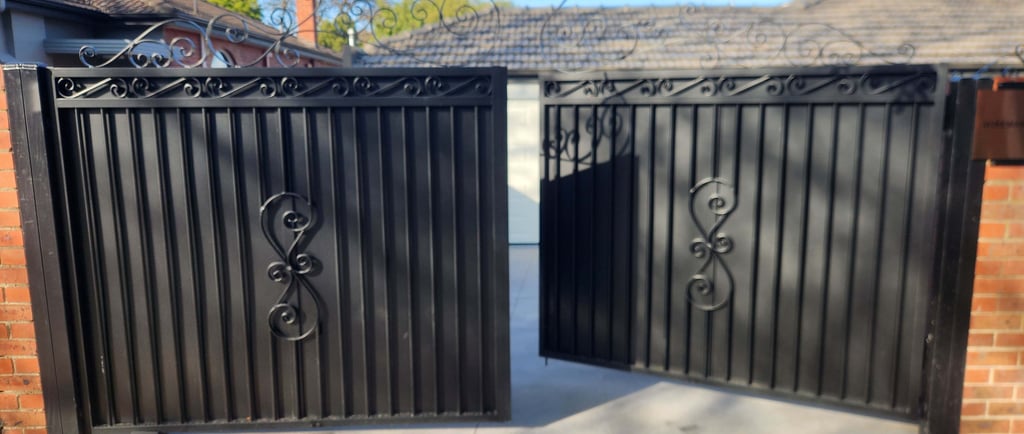
Australian summers are no joke. Temperatures regularly push past 40°C in many parts of the country, and that kind of heat puts real stress on mechanical and electrical systems. Your automatic gate is no exception. Most people don't think about their gate until it stops working. But by then, the damage is usually already done.
Intense UV radiation can quickly degrade safety sensor casings and wiring insulation, leading to intermittent signal failures just when you need them most. The thermal expansion of metal tracks and hinges can cause alignment issues that force your motor to work twice as hard, significantly shortening its lifespan. This guide walks through what you actually need to do before and during summer to keep your gate running without issues.
How Heat Affects Your Gate
Heat affects materials in ways that aren't always obvious. Metal expands. Plastic components can warp slightly. Lubricants that worked fine in winter start to thin out or burn off faster. All of this puts extra load on the motor and moving parts, especially if the gate is used frequently throughout the day.
The electrical side of things can also suffer. Circuit boards and wiring don't do well when exposed to high heat day after day. UV exposure breaks down cable insulation over time. And if your gate operator sits in direct sunlight for most of the day, the internal temperature inside that casing can get surprisingly high. Understanding how gate automation systems work can help you spot problems before they become serious.
Start With a Physical Inspection
Before anything else, walk around the gate and take a proper look. You're checking for things that may have shifted or worn since the last time you really looked at it.
Here's what to check:
Hinges and bolts: Give them a tug. Look for rust, looseness, or any signs that they've been moving when they shouldn't. Tighten anything that feels off.
Tracks and rollers (for sliding gates): Clear out any debris, grit, or built-up dirt. Even small stones can cause issues when the gate runs daily.
Gate frame and panels: Look for warping, cracks, or paint bubbling. This is more common with steel gates that cop a lot of direct sun.
Welds and joins: Check that nothing has cracked or separated. Heat stress over time can weaken joins, especially on older gates.
Safety sensors: Make sure they're aligned and not coated in dust or spiderwebs. Sensors even slightly out of position can cause the gate to behave unpredictably.
If you have a sliding gate, pay extra attention to the track. It should be clear of dirt and sitting flat. A warped or obstructed track will wear out the motor much faster than normal.
Lubrication
This is one of the most overlooked parts of gate maintenance, and it makes a real difference in summer. In Australia, it is often better to use a dry silicone lubricant or a heat-resistant spray. Unlike traditional heavy grease, these won't attract the dry summer dust and grit that creates friction in your rollers.
Lubricate all moving parts before the real heat sets in. This includes hinges, rollers, chains, and any exposed mechanical joints. Use a lubricant suited to your gate material and climate. Avoid WD-40 as a long-term solution. It's fine for loosening things up but doesn't provide lasting protection. For swing gates, pay close attention to the arm pivot points and the motor drive shaft. These take the most load during operation and are usually the first to show wear.
Checking the Motor and Operator Box
The motor is the most important part of the system. Most gate motors sit inside a metal or plastic operator box, which can trap heat and cause internal components to overheat.
Here's what to check:
Ventilation: Make sure nothing is blocking airflow around the operator box. If it sits in full sun, consider whether a simple shade cover is practical.
Wiring condition: Check that cable insulation isn't cracked or fraying. Exposed wires are a safety issue and can cause faults that are hard to diagnose.
Pest intrusion: Wasps, spiders, and ants nest inside operator casings during summer. A wasp nest on a circuit board can cause real damage. Clear out any nests and seal small gaps with weatherproofing foam or mesh.
Dust and debris: Carefully clean inside the operator box if accessible. Dust buildup holds heat in and can cover circuit boards.
Moisture from condensation: Sudden temperature drops at night after hot days can cause condensation inside the box. If you notice moisture, let it dry out before using the gate again.
Batteries and Power
If your gate runs on battery backup or solar power, check those systems before summer starts. Batteries lose capacity faster in heat. A battery that tested fine in winter might struggle through 40-degree days. Most gate batteries last around two to three years. If yours are close to that, replace them before summer rather than waiting for a failure.
Solar panels are worth checking too. Dust builds up on panels over summer, especially after dry winds or a long stretch without rain. A dirty panel loses a significant amount of charging efficiency. Wipe them down every few weeks. It only takes a minute and makes a real difference on days when the gate is being used often.
What to Check After a Heatwave
A stretch of extreme heat is worth treating like a small service check. Things that were fine before a heatwave can fail during one. After any run of 38°C-plus days, take a few minutes to look the gate over.
Run the gate through a full open-and-close cycle and listen for anything unusual. Grinding, hesitation, or clicking that wasn't there before is worth investigating. Check that safety sensors are still responding correctly. Sensors can shift slightly after extreme temperature changes, especially if mounted on posts that have expanded and contracted a lot. If you have a pedestrian or side gate connected to the same system, check that too. It's easy to focus only on the main gate and miss something developing elsewhere.
Materials and Long-Term Summer Durability
It's worth thinking about materials if your gate is older or if you're planning any upgrades. Aluminium handles heat better than steel in most situations. It doesn't rust, it's lighter, and it doesn't expand as much in high temperatures. Steel is stronger but needs proper coating to hold up through years of Australian summers.
If your steel gate has paint that's starting to peel or bubble, don't leave it. That's how rust gets started. A touch-up before summer is much cheaper than dealing with corrosion later. Aluminium and steel fencing with powder coating handles UV and temperature changes far better than standard paint finishes and is worth considering for any new installation.
Summer Maintenance Checklist
Here's a quick reference list of what to cover before and during summer:
Inspect hinges, bolts, and welds for looseness or damage
Clear tracks and rollers of dirt and debris
Lubricate all moving parts with a heat-appropriate grease
Check wiring for cracked insulation or exposed cables
Clear pests and nests from the operator box
Test battery capacity and replace if near end of life
Clean solar panels regularly if applicable
Check safety sensors are aligned and clean
Run a full open-and-close cycle after heatwave periods
Spending thirty minutes on these simple checks now will save you the cost and inconvenience of a complete system failure when the next heatwave hits.
Stay on Top of It Before the Heat Arrives
Gates that are maintained regularly handle Australian summers without much drama. Gates that haven't been looked at in a year or two tend to hit a problem right in the middle of a heatwave, when repair wait times are longer and the inconvenience is at its worst.
You don't need to do everything at once. Working through the basics (lubrication, pest checks, battery testing, and a visual inspection) puts you well ahead. A bit of time before the season starts saves a lot of frustration when it's 42 degrees and the gate won't move. If you're not sure where to start or something doesn't look right, the iGate Automation team is happy to take a look. Contact us.
Frequently Asked Questions
1. How often should I check my gate during summer?
It is best to do a full inspection before the first heatwave hits in December. After that, a quick visual check every few weeks is enough to make sure no dust or pests have built up around the motor or sensors.
2. Why is my gate moving slower when it is very hot outside?
Metal tracks and hinges expand in the heat, which can create extra friction. This makes the motor work harder to move the gate. If it seems to be struggling, check the alignment of the tracks and ensure the rollers are properly lubricated with a dry spray.
3. Can I spray my gate motor with a garden hose to cool it down?
No, you should never spray water directly onto the motor or the operator box. While these casings are weather-resistant, high-pressure water can get inside and short-circuit the electronics. If you are worried about heat, it is better to provide a small shade cover.
4. What is the best lubricant for an Australian summer?
Avoid thick greases that get sticky in the heat. A dry silicone spray or a graphite-based lubricant is best for Australian conditions. These products provide a smooth glide without attracting the dry dust and sand that can grind down your gate's moving parts.
5. How do I know if my gate battery is failing due to the heat?
If your gate opens slower than usual or only opens halfway on a very hot day, the battery may be struggling to hold a charge. Most batteries in these systems last about two to three years before they need to be replaced.
Address : 22 Barkly St, Brunswick East VIC 3057, Australia
Connect With Us On Social Media
I Gate Automation
ABN 25 634 531 231
Our Privacy Policy
Our Terms & Conditions
Contacts
1300 251 900
info@igateautomation.com.au