Melbourne’s Trusted Experts in Automated Gates & Fencing – Residential, Commercial & Industrial Solutions.

What are the Most Common Causes of Colorbond Fence Problems?
Is your Colorbond fence fading, rusting, or rattling? Learn the most common causes of fence damage in Australia and how to fix them before they become costly repairs.
4/6/20266 min read
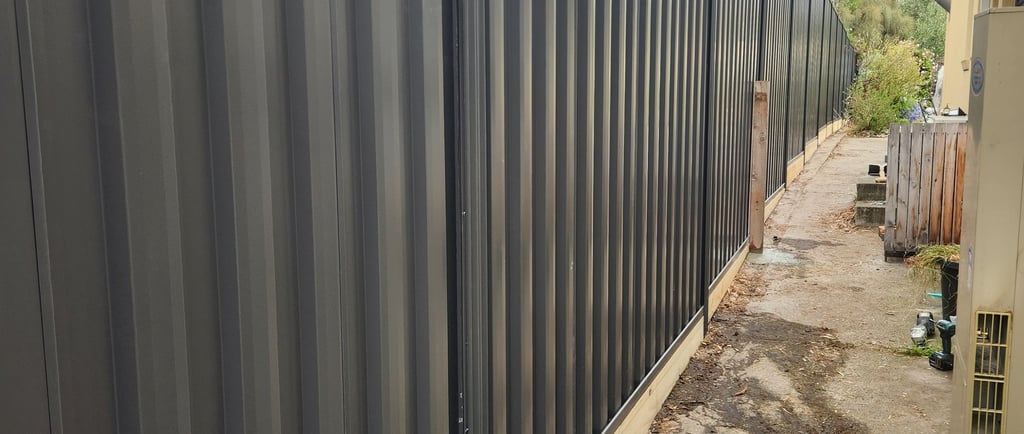
Colorbond fencing is everywhere in Australian backyards. It's tough, it looks good, and it handles our weather pretty well. But even the most durable fences run into problems over time. If you've noticed your Colorbond fence looking a bit rough around the edges, you're not alone. Most issues come down to a few common causes. The good news is that most of these problems have straightforward fixes if you catch them early enough.
Rust Spots and Surface Corrosion
Colorbond is designed to resist rust, but it's not completely rustproof. Scratches or chips in the coating are usually where rust starts. Once the protective layer gets damaged, moisture can reach the steel underneath. Coastal areas are worse for this because salt in the air speeds up corrosion. Even a small scratch from a lawnmower or garden tool can turn into a problem if you don't catch it early.
What causes rust to appear:
Scratches from tools, lawn equipment, or accidental impacts that expose the steel
Chips in the coating from stones, hail, or debris hitting the fence
Poor quality installation where cut edges weren't sealed properly
Coastal salt exposure that settles on the surface and works its way through tiny gaps
Water pooling at the base of panels due to poor drainage
Chemical reactions from contact with dissimilar metals or garden fertilizers
How to fix rust problems:
Use a wire brush to scrub off the rust until you're back to clean metal. Wipe it down with a damp cloth and let it dry completely. Apply a rust converter product to stop it coming back, then touch up the spot with Colorbond touch-up paint that matches your fence colour. For bigger rust patches or multiple spots, you might need to replace the whole panel.
Fading and Colour Change
Fading is probably the most common complaint about Colorbond fences. Sun exposure is the main culprit here. UV rays break down the coating gradually, and some colours fade faster than others. Darker shades like Monument or Night Sky absorb more heat, which can speed up the process. North-facing fence sections cop the most sun throughout the day, so they often fade quicker than shaded areas.
Factors that speed up fading:
Direct sun exposure for most of the day, especially on north and west-facing panels
Dark colours that absorb more heat and UV radiation
Reflected heat from paving, concrete, or nearby buildings
Industrial pollutants and traffic grime in urban areas
Infrequent cleaning that lets dirt and residue build up on the surface
How to deal with fading:
You can't reverse fading, but you can slow it down. Wash your fence twice a year with mild detergent and water to remove grime that makes fading look worse. A car wash brush on an extension pole works well for this. If the fading really bothers you, repainting is an option. Use Colorbond-approved paint and follow the prep instructions properly or it won't stick. If you're putting up a new fence, picking lighter colours means fading will be less noticeable over time.
Dents and Physical Damage
Colorbond panels are made from thin steel, so they dent easier than you'd think. Kids playing near the fence, falling branches, or even a wheelie bin blown over in the wind can all cause dents. Most dents are just cosmetic, but deeper ones can crack the coating and let moisture in. Panels near automatic gates sometimes get bumped during operation if the gate swing isn't quite right.
Common causes of dents:
Falling tree branches or storm debris
Lawn equipment bumping the fence during maintenance
Sports equipment like cricket balls or footballs
Car doors or trailers reversing too close
Heavy items leaning against the fence for extended periods
How to fix dents:
Small dents sometimes pop back out if you push from behind with a rubber mallet or a block of wood. Work gently so you don't crack the coating any more than it already is. If the dent won't budge or the coating is badly cracked, replacing that section of panel is usually the best option. You can buy single panels and swap them out without redoing the whole fence. Make sure you seal any exposed edges with touch-up paint to prevent rust starting.
Panel Movement and Loose Fixings
A fence that rattles in the wind or has wobbly panels usually has a fixing problem. Australian weather puts a lot of stress on fences. Hot days make the metal expand, cold nights make it contract. Wind pushes and pulls the panels constantly. If the screws or rivets weren't installed tight enough to start with, or if they've worked loose over the years, panels start moving more than they should.
Why panels come loose:
Screws that weren't tightened properly during installation
Post footings that weren't deep enough or didn't use enough concrete
Soil movement from wet and dry cycles undermining post stability
Wind load over time working fixings loose
Thermal expansion and contraction stressing the connection points
How to tighten things up:
Walk along the fence and tighten any loose screws with a drill or screwdriver. If screws are stripped or won't tighten, replace them with new corrosion-resistant ones. For wobbly posts, you might need to dig around the base and check the footing. If there's not enough concrete or it's cracked, you'll need to re-set the post properly. Posts should be at least 600mm deep for a standard residential fence.
Installation Errors That Show Up Later
Some fence problems aren't about wear and tear. They're built in from day one because the installation wasn't done right. Cut edges that weren't sealed properly will rust faster than factory edges. Posts set too shallow or without enough concrete will move. Panels installed backwards don't shed water properly and hold moisture.
Installation mistakes that cause problems:
Cut panel edges left unsealed, exposing raw steel to the elements
Insufficient post depth (should be at least 600mm for most residential fences)
Posts not set in concrete or concrete mix too weak
Panels installed upside down or backwards
Rails not level, causing uneven stress distribution
How to fix installation problems:
If panels were installed backwards, you'll need to take them down and flip them around. Unsealed cut edges can be touched up with Colorbond edge sealer or touch-up paint. Apply it thickly and make sure you cover all the exposed metal. Posts that are too shallow need to be dug up and re-set deeper with proper concrete. If rails aren't level, loosen the fixings and adjust them before tightening everything back up.
Coating Breakdown from Harsh Conditions
The protective coating on Colorbond does most of the heavy lifting when it comes to keeping your fence looking good. But in really harsh conditions, even good coating can break down faster than expected. Industrial areas with chemical pollution in the air are tough on fences. Coastal properties cop salt spray constantly. Properties near busy roads get exhaust particles and road grime building up on the surface.
Environmental factors that damage coatings:
Salt spray in coastal locations, especially within 1km of the ocean
Industrial pollution and chemical fumes settling on the surface
Traffic exhaust and road dust near busy streets
Agricultural chemicals drifting from nearby farms
Tree sap and bird droppings left on panels for long periods
How to protect the coating:
Regular washing is your best defence against coating breakdown. In harsh environments, wash your fence every three months instead of twice a year. Use a mild car wash detergent and a soft brush, then rinse thoroughly with clean water. Never use abrasive cleaners or high-pressure washers as they can damage the coating. For coastal areas, hosing down the fence after strong onshore winds helps remove salt before it has time to do damage.
When to Call in Professional Help
Some fence problems are easy DIY fixes, but others need proper experience and equipment. Single rust spots, loose screws, and basic cleaning are all things you can handle yourself with basic tools. But extensive rust, multiple damaged panels, or structural issues like leaning posts usually need a professional. If your fence is affecting gate operation or if you're not confident about any repair, it's worth getting an expert opinion.
Signs you need professional help:
Multiple panels need replacing
Posts are leaning or moving significantly
Rust has spread across large sections
The fence line is affecting automatic gate function
Previous DIY repairs haven't worked
Keeping Your Fence in Good Shape
Colorbond fences are low maintenance, but they're not no maintenance. Walk your fence line every few months and look for changes. Check the bottom edges for rust or discolouration. Give panels a gentle push to see if anything moves or rattles. Keep garden beds away from the base and make sure water drains away properly. Trim trees back before branches get close enough to scrape the panels.
If you're in the Melbourne or Geelong area and your fence problems are affecting your gate setup, iGate Automation can help sort out both issues together. Getting your whole boundary working properly makes a real difference to how your property functions.
Address : 22 Barkly St, Brunswick East VIC 3057, Australia
Connect With Us On Social Media
I Gate Automation
ABN 25 634 531 231
Our Privacy Policy
Our Terms & Conditions
Contacts
1300 251 900
info@igateautomation.com.au