Melbourne’s Trusted Experts in Automated Gates & Fencing – Residential, Commercial & Industrial Solutions.

How Long Do Automatic Gate Motors Usually Last?
Learn how long automatic gate motors usually last, what affects lifespan, common failure signs, and how Melbourne homeowners can extend motor life with proper maintenance.
5/23/20267 min read
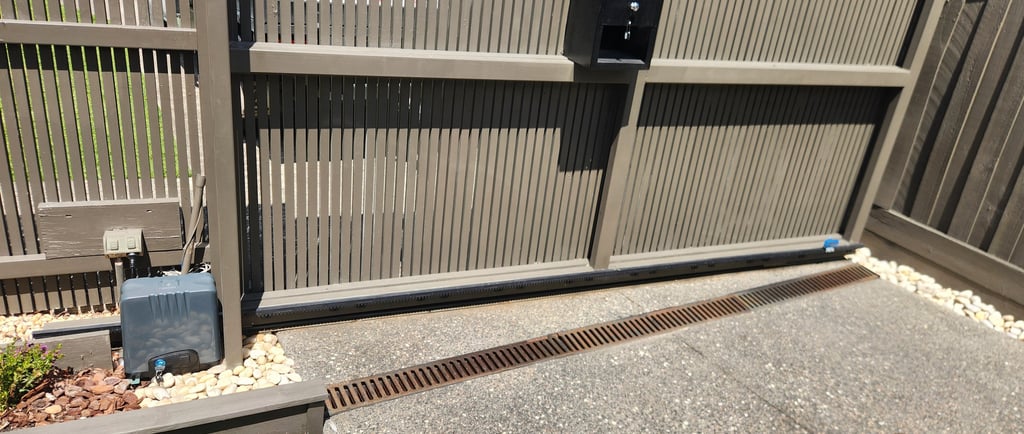
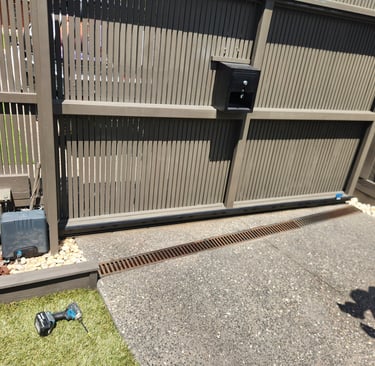
You press a button, the gate swings open, and you pull into your driveway without getting out of the car. It's one of those things you stop thinking about until it stops working. So how long can you actually expect your gate motor to keep going before it gives out?
It depends on a few things. But for most Melbourne homes, a quality automatic gate motor will last somewhere between 10 and 15 years. Some push past that. Others don't quite get there. Understanding what affects the lifespan helps you get the most out of your investment.
Average Gate Motor Lifespan: What to Expect
Most residential gate motors are rated for around 10 to 15 years of regular use. That figure assumes proper installation, occasional maintenance, and a gate that is matched correctly to the motor.
Commercial gate motors tend to have a shorter practical lifespan, not because they are lower quality, but because they work far harder. A business entrance that opens and closes dozens of times a day will wear through a motor much faster than a home gate that cycles maybe 10 times.
Residential vs Commercial Use
The way you use a gate makes a big difference to how long the motor holds up. For a standard home, the gate might open in the morning when you leave and again when you return. A few extra cycles for visitors or deliveries. That is considered low to moderate use, and motors under these conditions regularly hit the 12 to 15 year mark without major issues.
For commercial sites, the story is different. High-traffic entrances, warehouses, and business car parks run their motors hard from early morning to late evening. Commercial automatic gates use heavier duty motors built for that kind of workload, but constant cycling still means components wear down faster. A realistic lifespan in these settings is 7 to 10 years, sometimes less.
What Affects How Long a Gate Motor Lasts
A few things determine whether your motor reaches its full potential lifespan or falls short.
Gate Weight and Motor Sizing
A motor that is undersized for your gate will struggle from day one. Every time it opens, it is working at or near its limit. Over time, this strains the internal gears and the drive mechanism.
Heavier gates, especially those made from solid steel, need motors with enough torque to move them smoothly. If you can push your gate open easily with one hand, the motor will have an easy job. If it takes two hands and some effort, the motor needs to be rated accordingly.
Installation Quality
Poor installation is one of the most common causes of early motor failure. If the gate sits out of alignment, drags on the ground, or binds at certain points in its travel, the motor compensates by working harder than it should. A properly installed gate moves freely, which takes load off the motor and extends its life. This is one of the main reasons DIY installations often lead to problems that a professional would have avoided.
Cycle Ratings
Every gate motor is rated for a certain number of cycles. A cycle is one full open and one full close. A motor rated for 50,000 cycles used 10 times a day will theoretically last nearly 14 years. Used 50 times a day, that same motor reaches its limit in under 3 years.
Knowing your expected daily usage helps you choose a motor with the right cycle rating from the start.
Melbourne's Climate
Melbourne weather is hard on outdoor equipment. Summers bring extreme heat that builds up inside motor housings and stresses electronic components. Winters bring moisture. Coastal and bayside properties deal with salt air that accelerates corrosion on metal parts.
Gate motors sit outside and take all of it. Quality construction and weatherproof housing matter a lot here. Motors without proper sealing let moisture in, and that is rarely a recoverable situation.
Sliding vs Swing Gate Motors
The type of gate you have also plays a role.
Sliding gate motors move the gate along a track. The motion is linear and relatively consistent. As long as the track is clean and level, the motor rolls the gate without much resistance. Sliding motors tend to have a slight advantage in longevity because the mechanical stress is more predictable.
Swing gate motors push the gate through an arc. Wide gates create leverage, meaning the motor has to work against both the gate's weight and the physical arc of the swing. In windy conditions, this gets harder. Swing motors are not worse, they just operate under more variable load conditions.
Signs Your Gate Motor Is Getting Tired
Watch for these:
Slower movement than usual: If the gate that used to open in 10 seconds now takes 20, the motor is working harder to do the same job.
Grinding or clicking noises: Worn gears or dry bearings make noise. These sounds mean parts are rubbing against each other without proper lubrication.
Stopping mid-cycle: A motor that stalls partway through opening or closing often has an electrical fault, a thermal cutout triggering from overheating, or a mechanical obstruction.
Remote control range dropping: If you used to open the gate from 30 metres away and now need to be right at the entrance, the receiver circuit may be degrading.
Visible damage or leaks: Cracked housing, corroded terminals, or oil pooling underneath the motor are physical signs that things are breaking down.
If you are already seeing some of these issues, it is worth getting a professional check before a partial fault becomes a full failure. Most of these problems follow recognisable patterns and are easier to fix when caught early.
How to Extend Your Gate Motor's Life
Regular attention goes a long way. You do not need to be a technician to keep your gate running well.
Basic Maintenance You Can Do Yourself
Clean the gate track monthly: Leaves, gravel, and debris build up in sliding gate tracks and force the motor to work against resistance. Clear it out regularly.
Lubricate moving parts every six months: Hinges, rollers, and drive chains need a light coat of appropriate lubricant. Do not use thick greases that attract dirt.
Check for obstructions: Overgrown plants, pooled water, and shifting ground can all affect how freely the gate moves.
Inspect the housing:Look for cracked seals, signs of water ingress, or insect nests. Small insects are surprisingly good at getting into control boards and causing short circuits.
When to Call a Professional
A thorough service once a year from a qualified technician is the single best thing you can do for long-term reliability. A professional will check the motor's torque settings, test the safety sensors, inspect wiring connections, and spot wear before it becomes a fault. This applies to all types of gate automation setups, including those with access control, intercoms, or safety loops built in.
Motor Quality Matters More Than Most People Realise
Budget motors use plastic gearing where quality motors use metal. They use thinner housing that lets heat in. Their electronic components are rated for narrower temperature ranges.
That difference often shows up around the 5 to 7 year mark. A cheaper motor may have run fine early on but starts developing faults as components hit their limits. A well-built motor from a reputable supplier keeps going with nothing more than routine servicing.
When you factor in the cost of a replacement motor, installation labour, and the inconvenience of a failed gate, paying more upfront for a reliable product almost always works out cheaper over the full lifespan.
When to Repair vs Replace
If your motor is under 8 years old and the fault is straightforward, a repair usually makes sense. A blown capacitor or a damaged control board is a reasonable fix if the motor itself has plenty of life left.
If the motor is over 10 years old, or if the repair cost is heading toward half the price of a replacement, it is generally worth replacing. A new motor comes with a manufacturer warranty, often two to three years, and the peace of mind that it has been set up fresh with correct settings. New motors also tend to have updated features. Many current models work with remote control gate systems and smartphone access, which older units often do not support.
What a Replacement Costs in Melbourne
For a residential property, a full motor replacement including supply and installation by a professional typically falls somewhere between $800 and $2,000. The range depends on the motor type, gate size, and whether any additional work is needed such as wiring, new tracks, or safety sensor upgrades.
For commercial properties, costs are higher because the motors are heavier duty and the installation is more involved.
Getting quotes from an established local provider rather than sourcing a cheap motor online is almost always the better path. Local suppliers can confirm compatibility, handle warranty claims, and provide ongoing support.
Getting the Most Out of Your Gate Motor
A realistic lifespan for a quality residential gate motor in Melbourne is 10 to 15 years, sometimes longer with good care. Commercial motors work harder and tend to need replacement earlier. The biggest factors are gate sizing, installation quality, how often the gate cycles, and whether it gets basic regular maintenance.
If you have had your current motor for a decade or more, it is worth getting it checked. Catching wear early is far cheaper than dealing with a complete failure. And if you are installing a new system, choosing the right motor for your gate type and usage from the start is the most important decision you will make. iGate Automation installs and services automatic gate systems for residential and commercial properties across Melbourne.
Frequently Asked Questions
How long does a residential gate motor last in Australia?
Most quality residential gate motors last between 10 and 15 years with regular use and basic maintenance. Factors like gate weight, installation quality, and Melbourne's climate can push that lifespan higher or shorter.
What is the most common reason gate motors fail early?
Poor installation is one of the leading causes. If the gate is misaligned or drags, the motor works harder than it should on every cycle. Undersizing the motor for a heavy gate has the same effect.
Is it worth servicing a gate motor every year?
Yes. An annual professional service catches wear and minor faults before they become major ones. It also keeps the gate's safety features, like obstacle detection sensors, working correctly.
How do I know if I should repair or replace my gate motor?
If the motor is under 8 years old and the fault is minor, repair is usually fine. If it is over 10 years old or the repair cost is more than half the price of a new unit, replacement is generally the smarter choice.
Does gate motor lifespan differ between sliding and swing gates?
Sliding gate motors tend to handle wear a little more consistently because the mechanical load is more predictable. Swing motors operate under more variable load, especially on wide or heavy gates. Both can last 10 to 15 years with the right setup and care.
Address : 22 Barkly St, Brunswick East VIC 3057, Australia
Connect With Us On Social Media
I Gate Automation
ABN 25 634 531 231
Our Privacy Policy
Our Terms & Conditions
Contacts
1300 251 900
info@igateautomation.com.au