Melbourne’s Trusted Experts in Automated Gates & Fencing – Residential, Commercial & Industrial Solutions.

7 Myths About Automatic Gates That Homeowners Still Believe
Discover 7 common myths about automatic gates and the truth behind cost, safety, maintenance, noise, and security for Melbourne homeowners.
4/21/20266 min read
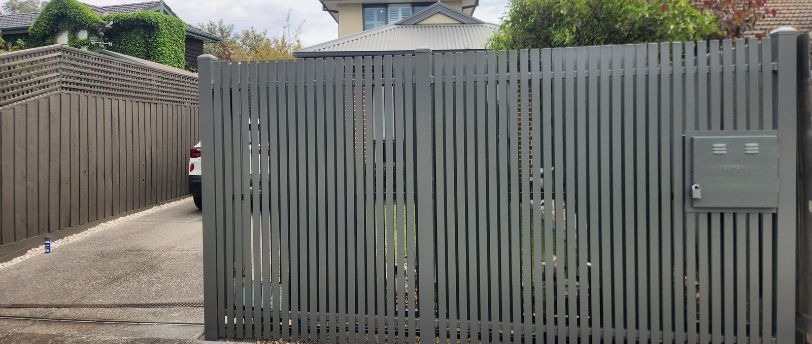
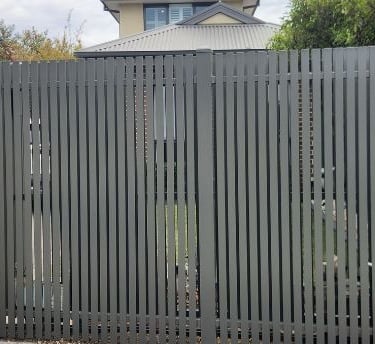
A lot of misinformation floats around about automatic gates. Some of it is outdated. Some of it started from bad DIY experiences that got passed on. Whatever the source, these myths stop people from making a decision that would genuinely improve their property.
Automatic gates have become a practical option for all kinds of Melbourne properties, not just large ones. The technology has improved, the price points have widened, and the installation process is well understood. What hasn't kept up is the information most people are working from.
Myth 1: Automating Your Gate Is a Good DIY Project
Gate automation kits are sold online and look straightforward in a product listing. In practice, most DIY attempts run into serious problems.
People spend days on installation, then can't get support from the seller when something goes wrong. Some get the gate moving but find it closing on vehicles shortly after because safety settings weren't configured correctly. If a swing gate drags on the ground, automating it won't fix that either. The gate needs to be repaired and moving freely before any motor is fitted. Most people who start a DIY automation project end up calling a professional installer anyway, paying twice for the same job.
Professional installation covers what DIY typically misses:
Motor sizing matched to the gate's weight and usage frequency
Correct alignment of tracks, hinges, and mounting brackets before the motor goes in
Safety sensor calibration so the gate stops and reverses when something is in the way
Compliance with Australian safety standards, which are a legal requirement
A warranty and a local contact if something needs attention later
Getting these right from the start is the difference between a system that works reliably for years and one that causes problems from week one.
Myth 2: Automatic Gates Need Constant Maintenance
The assumption that a motorised gate means regular repairs and call-outs is common. It doesn't reflect how well-installed systems actually perform.
A residential automatic gate in good condition doesn't demand much. What's actually required:
Clear the track or hinge area of leaves, grit, and debris on a regular basis
Lubricate rollers, chains, and hinges every six months with a gate-appropriate product
Wipe down safety sensor lenses so they stay aligned and clear
Replace remote batteries before they fail
Book an annual service so a technician can check the motor and test safety devices
That covers most of what automatic gate upkeep looks like for a typical Melbourne property. Issues like unexpected reversing, new noises, or uneven movement are usually minor things that get fixed quickly when caught early. A gate that's installed properly and given basic attention tends to run without problems for years.
Myth 3: Automatic Gates Are Only for Large or Expensive Properties
This myth puts automatic gates in the same category as swimming pools and home theatres. It's no longer accurate. Sliding gates, swing gates, and double swing gates are available at a wide range of price points. Existing manual gates, both swing and sliding, can often be automated without replacing the gate at all, as long as the gate is structurally sound and opens freely. Many Melbourne homeowners are closer to an automated entry than they realise.
The day-to-day benefits aren't tied to property size. You don't have to get out of the car during Melbourne's weather. The gate closes behind you automatically, which matters for families with children or pets. Access is controlled, which a manual gate can't offer. Some insurers also recognise automated gates as a reduced-risk feature and adjust premiums accordingly. The case for gate automation applies to a standard suburban block just as much as a larger property.
Myth 4: Automatic Gates Are Noisy
The image of a loud, grinding gate clanking open at 7am is based on older systems and poorly maintained ones.
Current gate motors use soft start and slow stop technology. The gate accelerates gradually when it opens and slows down before reaching the end of its travel. This removes the mechanical bang that older systems produced and reduces wear on the motor and frame over time. A properly installed sliding or swing gate running a modern motor is quiet during normal operation. If a gate becomes loud, it's usually a maintenance issue, loose fittings, debris in the track, or parts that need lubrication, not a characteristic of how automatic gates work.
Myth 5: If the Power Goes Out, You're Locked In or Out
This concern comes up often, and it's based on a misunderstanding of how gate systems are built.
Every properly installed automatic gate includes a manual release function. You disengage the motor with a key and operate the gate by hand. It's a standard safety requirement, not a special add-on. For households that want continuous automatic operation even during outages, the options are:
Battery backup units, which keep the gate running automatically when mains power is cut
Solar-powered motors, which run off a rechargeable battery topped up by a panel and operate independently of the grid entirely
Auto-close functions, which prevent the gate from being left open if power drops mid-cycle
Melbourne's grid isn't perfectly reliable, and gate systems are designed with that in mind. Being stranded is not a realistic outcome when the system is set up correctly.
Myth 6: Automatic Gates Aren't Safe Around Children and Pets
This is the concern that comes up most with families, and it's worth addressing directly because the safety requirements are well defined.
Professionally installed automatic gates in Australia are required to include obstruction detection devices. If a child, pet, or vehicle breaks that beam while the gate is closing, the motor stops and reverses immediately. This is not optional. It's a compliance requirement under Australian standards. Gates are also built with soft stop features that reduce force on contact. A manual gate left open or swinging loose in wind is a more unpredictable hazard than a compliant automatic gate with working sensors. Family safety is consistently one of the main reasons Melbourne homeowners look at automatic gates in the first place.
Myth 7: An Automatic Gate Is a Convenience Feature, Not a Security Upgrade
Automatic gates are often described as a lifestyle upgrade. That framing undersells what they actually do for security.
A manual gate can be left open by mistake. It offers no controlled access. An automatic gate closes every time, without relying on the last person through to remember. Electric locks can be fitted so the gate is secured when closed, not just resting shut. Access is managed through remotes, keypads, intercoms, or smartphone apps. Paired with a camera or intercom, the entry point becomes a monitored access system rather than a physical barrier that anyone can push open. Automated gates also remove the need to exit your vehicle to open a gate, which is a genuine security risk in some situations.
What to Look for When Choosing a Gate System
A few things worth sorting out before committing:
Gate type: Sliding gates suit properties with limited clearance in front of the gate. Swing gates need room for the arc. Double swing works well for wider entries.
Gate condition: A gate that drags or binds needs to be repaired before automation. A motor won't fix a gate that doesn't move freely.
Motor sizing: The motor must match the gate's weight and daily cycle count. An undersized motor wears out quickly.
Power source: Mains power suits most suburban properties. Solar is worth considering where running a cable to the gate is difficult or expensive.
Safety devices: Photocell sensors are the minimum standard for a compliant installation. Confirm what's included before accepting any quote.
Installer credentials: In Victoria, electrical work on gate systems must be carried out by a licensed electrician.
Ready to Look at Your Options?
Automatic gates are more practical, more accessible, and more straightforward to own than most people expect. The myths around them mostly come from outdated information or experiences with systems that weren't installed properly.
iGate Automation designs, manufactures, and installs automated gates for residential, commercial, and industrial properties across Greater Melbourne. Whether you're starting from scratch or looking to automate an existing gate, the team can assess your site and give you honest advice on what works for your property.
Frequently Asked Questions
Can my existing manual gate be automated?
In many cases, yes. Swing and sliding manual gates can often be automated without replacing the gate, provided it's structurally sound and opens freely. An installer will check the gate first and flag any repairs needed before a motor can be fitted.
How long does a gate motor typically last?
With proper installation and basic maintenance, quality gate motors commonly last over a decade. Usage frequency, motor quality, and regular servicing all affect lifespan.
What happens to my automatic gate during a power outage?
Every compliant installation includes a manual release so the gate can be operated by hand. Battery backup units and solar-powered motors are available for properties where continuous automatic operation during outages is a priority.
Do automatic gates require council approval in Melbourne?
It depends on the property and gate type. A local installer will know the relevant Melbourne requirements and can advise whether a permit is needed for your specific situation.
Are automatic gates safe for children and pets?
Yes, when installed correctly. Photocell sensors detect obstructions and reverse the gate immediately. This is a mandatory requirement under Australian safety standards for professionally installed gate systems.
Address : 22 Barkly St, Brunswick East VIC 3057, Australia
Connect With Us On Social Media
I Gate Automation
ABN 25 634 531 231
Our Privacy Policy
Our Terms & Conditions
Contacts
1300 251 900
info@igateautomation.com.au