Melbourne’s Trusted Experts in Automated Gates & Fencing – Residential, Commercial & Industrial Solutions.

5 Things to Know Before Ordering a Fabricated Gate
Learn key factors before ordering a fabricated gate including measurements, material choice, gate type, automation planning and design consistency.
5/12/20267 min read
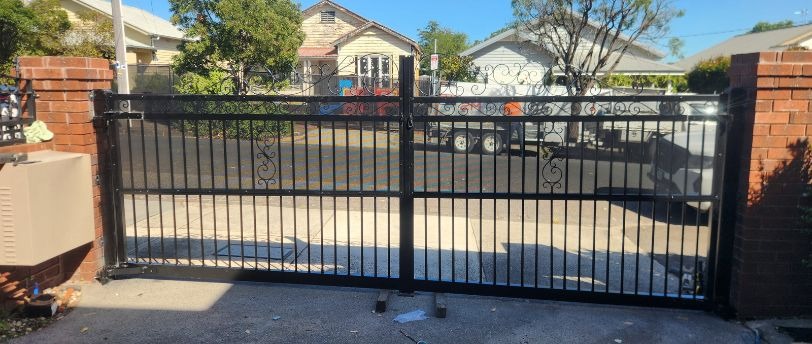
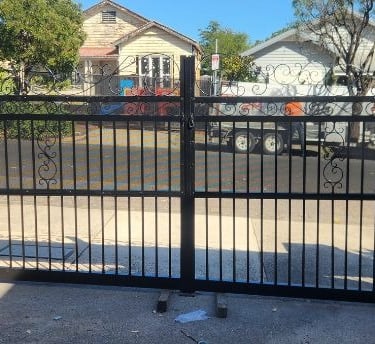
Ordering a fabricated gate is not like picking something off a shelf. There are real decisions involved, and getting them wrong costs time, money, and hassle. Whether you are looking at a sliding gate for your driveway or a swing gate for a commercial entry, knowing what to think through before you place an order makes the whole process a lot less stressful.
This guide covers five things worth knowing before you commit to anything. Practical points only.
Why Custom Gate Fabrication Is Different
A standard gate from a hardware store is built for average openings, average spaces, and average needs. Most residential and commercial properties do not fit neatly into "average." Driveways vary. Street slopes vary. Property layouts vary. A fabricated gate is built around your specific measurements, your site conditions, and how you plan to use it.
That also means the planning stage matters more with a custom gate than with an off-the-shelf one. The dimensions you provide, the material you pick, and the site details you share all go directly into what gets built. Getting this right from the start avoids expensive rework later.
1. Measurements Matter More Than You Think
This is the one that catches people out most often. The opening width at the front of your driveway can be different from the width further back. Ground slope affects how much clearance a swing gate needs to operate without dragging. Post positions need to line up with where hinges and tracks will sit.
Wrong measurements can mean the gate does not fit, does not run properly, or has to be remade. Always measure at more than one point along the opening, especially if your driveway is on a slope or the ground is uneven near the entry.
What to measure before you order:
Opening width from post to post, measured at ground level and at gate height
Clear height available
Ground slope or gradient across the opening
Available run space for a sliding gate (usually the gate width, plus a bit extra along the fence line)
Clearance arc for a swing gate
Location of drainage, paths, garden beds, or any structures close to the entry
A site visit from the fabricator before the order goes in is the most reliable way to get measurements right. Most fabricators will confirm measurements at the quoting stage before anything is built.
2. Material Choice Affects More Than the Look
Most fabricated gates in Melbourne are built from aluminium or steel. Both work well, but they suit different situations.
Aluminium is lighter and naturally rust-resistant. It puts less load on gate motors, which matters if you are planning to automate. It holds a powder coat finish well and needs very little ongoing maintenance. Steel is heavier and stronger, which makes it a better fit for commercial or industrial sites where impact resistance and daily wear are bigger concerns. Some fabricators also offer a timber-look aluminium finish for properties where a warmer aesthetic is needed without the upkeep of real timber.
The finish matters too. Powder coating shields metal from moisture, UV, and general weathering. In Melbourne, where conditions shift between dry heat, rain, and coastal exposure depending on where you are, a properly applied powder coat makes a real difference to how long the gate holds up and keeps looking good.
3. Gate Type Depends on the Space You Have
There are three main gate types used across residential and commercial properties: sliding gates, swing gates, and pedestrian or side gates. The right one comes down to your available space, not just what looks good in a photo.
Sliding gates move parallel to the fence line, which is useful when there is not enough room for a gate to swing open. They need a clear run alongside the fence for the panel to travel into, generally at least as long as the gate itself. Swing gates need a clear arc on one or both sides of the opening. On a sloped driveway, a single-leaf swing gate can drag on the ground if the clearance is not worked out properly during the design stage. Space and slope are the two biggest factors in the sliding vs swing gate decision, and they often override personal preference.
Gate type at a glance:
Sliding gate: Good for wide openings, sloped driveways, or tight street frontages where a swing arc would cause problems. Needs lateral fence space for the panel to retract into.
Single swing gate: Works for narrower entrances on flat or gently sloped ground. Needs clear arc space on at least one side.
Double swing gate: Suits wider openings. Both leaves need their own clearance arcs, and both need a motor if you are automating.
Pedestrian or side gate: A separate entry point for foot traffic alongside the main driveway gate. Useful when vehicle and pedestrian access need to work independently.
Gate type also affects motor selection. Sliding and swing gates use different automation systems, and a heavier gate needs a higher-rated motor. Getting the gate weight and type locked in before ordering means the automation can be specified correctly from the start.
4. Think About Automation Before You Order
A lot of people treat automation as something to sort out after the gate goes in. They get the gate installed, then start asking about motors. The problem is that a gate built without automation in mind may not work cleanly with one. Gate weight, frame design, and post setup all affect how well an automation system can be added later.
If there is any chance you will want to automate, even years down the track, mention it at the quoting stage. It lets the fabricator design a gate that is compatible with a motor from the start. When fabrication and gate automation are handled together, the gate and its motor can be matched properly rather than the motor being chosen to fit whatever gate was already installed.
Automation features worth knowing about early:
Remote control (single or multi-channel)
Keypad or intercom entry
Smartphone access
Loop detectors for vehicle-triggered opening
Safety sensors and obstacle detection
Battery backup for power outages
For commercial properties, the requirements shift. High-traffic sites need motors rated for frequent daily cycling, not residential-grade units. If a gate is going to open and close dozens of times a day, the motor has to match that load. Gate type, weight, site conditions, and access control requirements are the main variables in what an automatic gate costs, and the gap between a basic residential setup and a commercial system can be wide.
5. Design Consistency Across the Property
A gate does not sit on its own. It is seen alongside your fencing, driveway surface, front facade, and the streetscape around it. A gate that is well-built but mismatched with everything around it looks out of place, even when the quality is there.
Think about slat spacing, infill style, and frame profile in relation to what is already on the property. Vertical slat gates suit contemporary homes well. Horizontal profiles work for modern builds and properties with an industrial or warehouse aesthetic. Heritage-style homes tend to look better with wrought-iron-inspired designs that carry a bit more traditional weight. Colour should coordinate with your fence, front door, or fascia rather than stand out on its own. Where fencing and a gate are going in together, doing both at the same time gives you far more control over how the finished boundary looks than trying to match a new gate to fencing that was put in years earlier.
A Note on Lead Times
Custom fabrication takes time. A fabricated gate has to be designed, confirmed, built, finished, and then installed. That is not a same-week process. Lead times vary depending on how involved the design is, the material and powder coat colour selected, and when installation can be scheduled.
Custom powder coat colours can add time, since non-standard colours may need to be ordered in. Any back-and-forth on measurements or design approval adds to the timeline too. If you have a fixed deadline, mention it at the quoting stage so the fabricator can factor it in and tell you whether it is workable.
Summary: What to Sort Out Before You Order
Before You Order a Gate in Melbourne
Getting a fabricated gate right comes down to doing the groundwork first. Measurements, material, gate type, automation planning, and design all affect whether the result does what you need it to.
iGate Automation designs, fabricates, and installs custom aluminium and steel gates for residential, commercial, and industrial properties across Melbourne. Past work across a range of property types is documented on our projects page, and get a quote for your gate fabrication order.
Frequently Asked Questions
How long does a custom fabricated gate typically last?
A well-made aluminium gate with a proper powder coat finish can hold up for 20 years or more with basic upkeep. Steel gates last a similar length of time when the protective coating is kept in good condition. Regular cleaning and occasional checks on hinges and hardware keep both types running well.
What is the difference between a fabricated gate and a pre-made gate?
A pre-made gate is built to standard sizes for average openings. A fabricated gate is built to your actual measurements and site conditions. If your opening is an unusual width, sits on a slope, or needs a specific design to match existing fencing, fabrication is usually the only option that fits properly.
Do I need to match the gate to my existing fencing?
Not exactly, but it should coordinate. Using the same powder coat colour or a complementary slat profile makes the gate look like it belongs rather than being added as an afterthought. If the fencing is being replaced or installed at the same time, doing both together makes it easier to get a consistent result.
Can an existing manual gate be automated later?
Usually yes, as long as the gate opens and closes freely and the frame is structurally sound. A gate that drags, sits unevenly, or has damaged posts needs to be in good working order before a motor can be fitted properly.
How long does it take to get a custom fabricated gate installed in Melbourne?
It depends on the design, the material, and the powder coat colour. A straightforward aluminium sliding gate in a standard colour might be around four to six weeks from quote approval to installation. More involved designs or custom colours can take longer. The most accurate timeframe comes from asking at the quoting stage.
Address : 22 Barkly St, Brunswick East VIC 3057, Australia
Connect With Us On Social Media
I Gate Automation
ABN 25 634 531 231
Our Privacy Policy
Our Terms & Conditions
Contacts
1300 251 900
info@igateautomation.com.au