Melbourne’s Trusted Experts in Automated Gates & Fencing – Residential, Commercial & Industrial Solutions.

7 Key Factors That Affect the Cost of an Automatic Gate
Discover 7 key factors that affect automatic gate costs in Australia, from gate type and materials to motors, site conditions, and access control features.
4/22/20267 min read
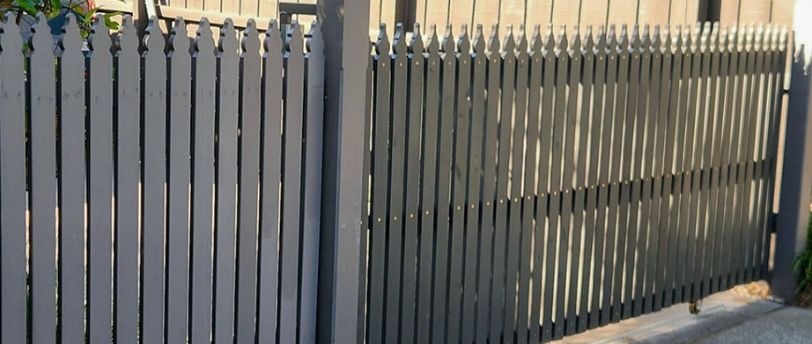
Automatic gate costs in Australia vary significantly depending on the type of gate, the automation system, and the conditions of your site. There is no single figure that applies to every job, and the gap between a basic residential setup and a full commercial system can be substantial. Knowing what drives the cost helps you budget properly and avoid being caught off guard when quotes come in.
A lot of people focus on the gate itself and forget about what goes around it. The motor, the power supply, the access control, and the site conditions can all add as much to the final number as the gate panel does. Two properties can choose the same gate and end up with very different quotes. Understanding why that happens is what this blog covers. Here are the seven main factors that affect how much you will pay.
1. Gate Type: Swing or Sliding
Swing gates and sliding gates have different price points because they work differently and need different hardware.
Swing gates are simpler to install on flat ground with enough clearance. They need space to open in one direction, which rules them out for some driveways. Sliding gates run on a track along the fence line and suit narrow blocks, sloped driveways, or properties near a busy road. They need a precisely laid track, a heavier motor, and more groundwork. That added complexity puts them at a higher cost. The type of automatic gate you choose is one of the first decisions that shapes the overall price.
2. Gate Material
Material affects the purchase price and what you spend on maintenance down the track.
Steel is common because it is strong and handles Australian weather well. It needs periodic coating or treatment to prevent rust. Aluminium costs more upfront but resists corrosion without much upkeep, which can make it cheaper over time. Timber gives a natural look but needs more regular maintenance than metal. Colorbond steel sits in the mid-range for cost and is popular for residential properties because of its durability and low maintenance. A heavier material also places more load on the motor, which can push you toward a higher-duty automation system.
3. Gate Size and Number of Panels
Gate width and panel count directly affect material costs, motor size, and installation time.
A single panel for a standard residential driveway is the most straightforward setup. Double gates that open from the centre need two motors and additional hardware. Wider openings are common on commercial properties to allow truck or equipment access, and that pushes costs up significantly. Beyond width, gate height matters too. A taller gate uses more material and weighs more, which can require a stronger motor and heavier-duty hinges or tracks. Getting the sizing right from the start avoids having to upgrade components later.
4. Automation System and Motor Type
The motor and control system are often where the biggest cost variation sits. You are paying for the motor, control board, safety sensors, wiring, and remotes.
There are two main motor types used for residential and commercial automatic gates:
Electromechanical motors – The standard choice for most homes. Reliable and cost-effective. Suited to light to medium use.
Hydraulic motors – Quieter and smoother in operation. Handle heavier gates and high-use commercial setups better. More expensive upfront.
Beyond motor type, the duty cycle matters. A gate that opens 10 to 15 times a day needs a different motor rating than one used twice a day. Fitting an undersized motor to a busy gate shortens its lifespan quickly. The gate automation system needs to match your expected daily usage, not just your budget.
5. Power Supply and Solar
Power supply is a cost that often gets overlooked in early planning. Your gate needs a reliable power source, and if there is no existing supply at the gate location, that adds to the job.
Running underground cabling from your switchboard to the gate adds to the job cost, and the further the gate is from the power source, the more it adds. The alternative is a solar-powered system. Solar setups include a panel and a battery backup so the gate keeps working during a power outage. They are a practical choice for rural properties or anywhere the cost of trenching is high. The upfront cost is higher than a wired system, but ongoing electricity costs are lower. With solar gate automation, the key things to check are your daily usage volume and whether the panel will get consistent direct sunlight.
6. Access Control Features
The motor opens and closes the gate. Access control determines who can trigger it and how. This layer adds to the cost but also adds function.
Common access control options and what they bring:
Remote handsets – Usually included with the motor kit. Extra remotes add cost.
Keypad entry – Useful for rental properties or sites with multiple users.
Intercom systems – Audio-only models are the simpler option. Video intercoms with a camera add more cost.
Loop detectors – Sensors buried under the driveway that detect vehicle presence and open the gate automatically on exit.
Smart access and app control – Lets you open the gate remotely via smartphone. Useful for managing deliveries or visitors when you are not home.
CCTV integration – Connecting a camera to the gate entry for a full security view.
Not every property needs all of these. For a straightforward residential driveway, remotes and a keypad may be enough. For a commercial site or a higher-security setup, the access control layer can add as much to the project cost as the gate itself.
7. Site Conditions and Installation Complexity
Two identical gates on two different properties can come with very different installation costs depending on what the installer is working with.
Factors that add complexity and cost:
Sloped or uneven ground – Sliding gates need a flat, level track. Swing gates on a slope need specific hardware to open and close correctly.
Soft or unstable soil – Requires deeper footings or additional concrete work for posts and tracks.
Distance from power – Longer cable runs cost more.
Existing concrete or paving – Cutting and re-laying concrete around a gate track adds labour and materials.
Existing manual gate condition – If you are adding automation to a manual gate, the installer needs to check whether the existing posts and frame are structurally solid enough. Weak posts need to be replaced before automation is fitted.
Getting an installer to do a site inspection before quoting is the best way to get an accurate number. Some installers will do this at no charge.
How Much Does an Automatic Gate Cost?
There is no fixed price for an automatic gate installation because too many variables affect the final number. A basic residential swing gate with a simple motor costs far less than a double sliding gate with video intercom, solar power, and loop detectors. A commercial setup adds another layer again, with higher-duty components and more complex access control requirements.
The most reliable way to understand what your specific project will cost is to get a site assessment and a detailed quote. That way the price reflects your actual gate type, your site conditions, and the automation system you need, rather than a generic estimate that may not apply to your property.
New Gate vs Adding Automation to an Existing Gate
If you already have a manual gate in good condition, adding automation may cost less than installing a new gate and motor together. The installer assesses whether the existing structure can handle the motor load and daily movement. If the posts are solid and the gate is well-aligned, it is often a straightforward upgrade.
If the existing gate is warped, rusted, or the posts are not deep enough, you may end up replacing the gate anyway. It is worth having this checked before assuming automation alone is the cheaper route. The process of automating an existing gate depends heavily on the condition of what is already there.
What Affects Long-Term Running Costs
The upfront installation cost is not the only number to think about.
Things that affect what you spend after installation:
Maintenance and servicing – Regular lubrication, sensor checks, and alignment adjustments keep the system running well. Skipping these leads to more expensive repairs.
Motor quality – A cheaper motor might save money at purchase but cost more in repairs and early replacement.
Material durability – Low-maintenance materials like aluminium cost more upfront but less over time.
Solar vs mains power – Solar reduces ongoing electricity costs but has a higher initial outlay.
Factoring in running costs alongside the installation price gives you a more honest view of what the gate will actually cost over five to ten years.
What It All Comes Down to
The cost of an automatic gate is the sum of the choices you make and the conditions of your site. Gate type, material, size, motor, power supply, access control, and installation complexity all play a part. Getting clear on each of these before you start getting quotes puts you in a better position to compare options and make a decision that suits your property long-term.
A common mistake is going with the cheapest quote without understanding what has been left out. A lower price sometimes means a lighter-duty motor, no safety sensors, or a less durable material. Knowing the seven factors covered here helps you read a quote properly and ask the right questions. If you are ready to move forward or just want to talk through your options, get in touch with the team at iGate Automation for a site assessment and quote.
Frequently Asked Questions
How much does a basic automatic gate cost in Australia?
There is no single answer because the cost depends on gate type, size, material, motor, and site conditions. Getting a site assessment and a detailed quote from a licensed installer is the most accurate way to understand what your specific setup will cost.
Is a swing gate or sliding gate cheaper to install?
Swing gates are generally cheaper. Sliding gates need a track system and a heavier motor, which adds to both material and labour costs.
Do I need council approval for an automatic gate?
In some areas, yes. This is more common for gates near public roads or on heritage-listed properties. Check with your local council before installation.
Can I add automation to an existing manual gate?
Yes, often. An installer will check whether the existing structure is solid enough to handle an automation system. If the posts and frame are in good condition, adding a motor is usually straightforward.
Are solar-powered automatic gates worth it?
They cost more upfront but save on electricity costs over time. They are well-suited to rural properties or locations where running underground power to the gate is expensive. Battery backup keeps the gate running during power outages.
Address : 22 Barkly St, Brunswick East VIC 3057, Australia
Connect With Us On Social Media
I Gate Automation
ABN 25 634 531 231
Our Privacy Policy
Our Terms & Conditions
Contacts
1300 251 900
info@igateautomation.com.au